Pradhanpat Waterfall Now in School Syllabus: Why It Matters
Pradhanpat waterfall in Debagarh, Odisha, is now part of the school curriculum. Discover why this inclusion is significant for local knowledge, tourism, and environmental awareness.
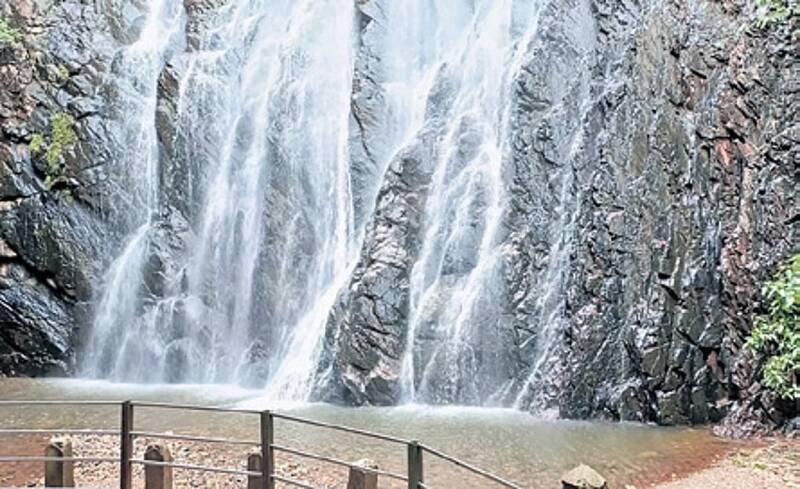



Pradhanpat waterfall in Debagarh, Odisha, is now part of the school curriculum. Discover why this inclusion is significant for local knowledge, tourism, and environmental awareness.
Exciting news from Debagarh district in Odisha, India! The scenic Pradhanpat waterfall has officially been incorporated into the local school syllabus. This decision marks a significant step in recognizing the region's ecological and historical importance, while also promoting local tourism among younger generations.
Pradhanpat is more than just a pretty waterfall. It's a vital part of Debagarh's identity. Nestled amidst lush greenery, it provides a crucial water source and is home to diverse flora and fauna. Historically, the area has held significance for local communities and is rich in folklore.
This inclusion is a big deal for several reasons:
In our opinion, this is a commendable initiative by the educational authorities. It represents a shift towards a more localized and relevant curriculum, one that connects students to their environment and heritage. We believe that incorporating local examples, like Pradhanpat waterfall, into education is far more effective than solely relying on abstract concepts or distant case studies.
However, the success of this initiative will depend on how effectively the material is presented. A dry, textbook-based approach might not capture the imagination of students. A hands-on approach, including field trips, guest lectures from local historians or environmentalists, and creative projects, would be far more impactful. This could impact the student's interest in local culture and history.
While the inclusion of Pradhanpat waterfall is positive, there are potential challenges. These include ensuring teachers have adequate training and resources to effectively teach the subject matter, and that the curriculum accurately reflects the historical and ecological significance of the site. There is also a concern that the inclusion could be tokenistic unless thoughtfully executed.
The success of the Pradhanpat waterfall initiative could pave the way for similar inclusions of local landmarks and historical sites in school syllabuses across Odisha and potentially across India. This would foster a greater appreciation for local heritage and promote responsible tourism.
We anticipate that this move could also spur greater interest in environmental conservation among younger generations. By understanding the importance of natural resources like the Pradhanpat waterfall, students are more likely to become advocates for their protection. This could also influence career choices of students who may seek careers in tourism or environmental protection. As tourism grows in Debagarh, there are opportunities to explore.
Ultimately, the inclusion of Pradhanpat waterfall in the school syllabus is a positive step towards creating a more engaged, informed, and environmentally conscious generation. This decision is a significant win for local pride, tourism, and education.
























