Pope Leo Responds to Trump, Urges Peace: Analysis & Future Outlook
Pope Leo addresses tensions with Trump over Iran, emphasizing peace and warning against delusions of power. Includes analysis and future outlook.
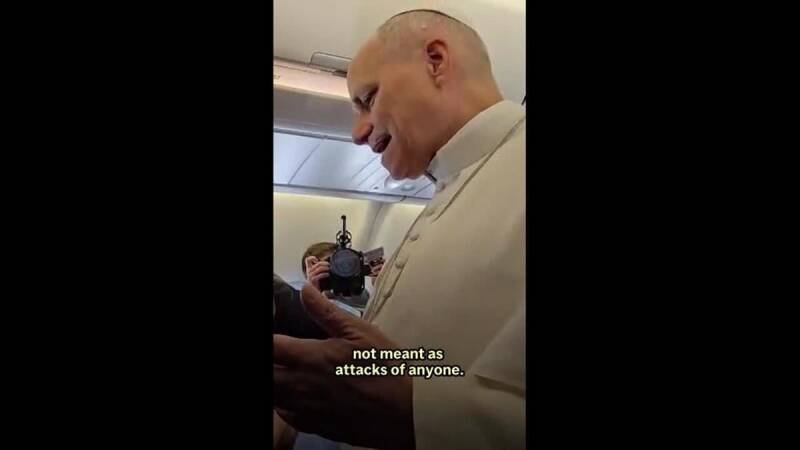



Pope Leo addresses tensions with Trump over Iran, emphasizing peace and warning against delusions of power. Includes analysis and future outlook.
Pope Leo has responded to perceived disagreements with Donald Trump concerning the potential conflict with Iran. He emphasized a message of peace and cautioned against the dangers of believing in "omnipotence," echoing concerns about escalating tensions in the region. The Pope clarified that his statements were not a direct attack on any individual but a general appeal for de-escalation and diplomacy.
Speaking from the Vatican, Pope Leo stressed the importance of prioritizing peace and dialogue over military action. He grounded his message in Gospel teachings, advocating for humility and understanding between nations. This approach contrasts with more hawkish stances that have characterized some responses to the situation with Iran.
He specifically addressed the "delusion of omnipotence," warning against the belief that any single nation or leader possesses absolute power or control over global events. This phrase appears to be a general commentary that can apply to many contexts, but in this case is clearly aimed at the aggressive rhetoric surrounding the Iran nuclear deal and associated political tensions.
The Pope's intervention in this geopolitical issue is significant for several reasons:
In our opinion, Pope Leo's response is a calculated attempt to steer the conversation away from escalating conflict and towards diplomatic engagement. By framing the issue within a moral and spiritual context, he aims to appeal to a broader audience and encourage reflection on the consequences of military action.
His emphasis on the "delusion of omnipotence" is particularly insightful. It challenges the notion that power and control are the only effective means of achieving political objectives. This also subtly criticizes what some may view as unilateral action and disregard for international consensus, policies often attributed to the Trump administration.
The Pope's strategy is to leverage the Church's position of moral and political neutrality and use the Church's global reach to spread a message of peace and diplomacy.
The impact of Pope Leo's words remains to be seen. This could impact the Trump administration and the governments in the Middle East by adding another voice for de-escalation to the already mounting calls from the international community to avoid war. It is unlikely that either the US or Iran would change their course of action solely on the basis of the Pope's words, but it provides additional ammunition for those within each country who are urging restraint.
We anticipate that the Vatican will continue to play a behind-the-scenes role in attempting to de-escalate tensions and facilitate dialogue between the United States and Iran. This could involve direct communication with leaders, support for international mediation efforts, and public advocacy for peace.
Ultimately, the future of the relationship between the United States, Iran, and the wider international community will depend on the decisions made by political leaders. However, the Pope's intervention serves as a reminder of the importance of moral considerations and the potential for religious leaders to play a constructive role in promoting peace and understanding.
























