Pope Calls for End to US-Israel Conflict with Iran: Analysis and Implications
Pope Leo XIV urges an end to the US-Israel war on Iran by Easter. Our analysis examines the Pope's appeal, its implications, and the future outlook for the region.



Pope Leo XIV urges an end to the US-Israel war on Iran by Easter. Our analysis examines the Pope's appeal, its implications, and the future outlook for the region.
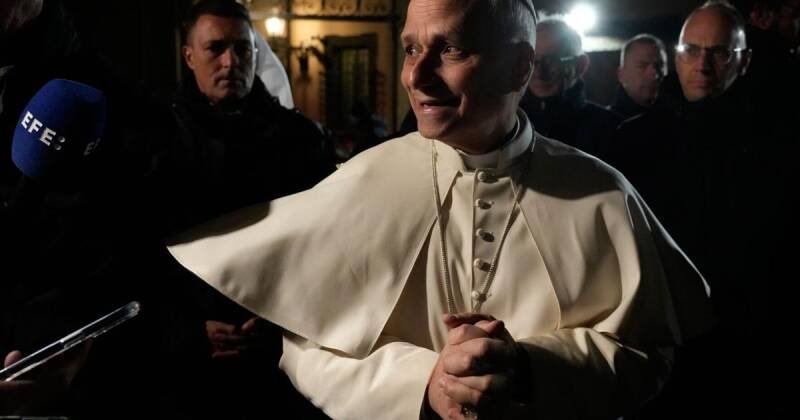
Pope Leo XIV has publicly called for a swift end to the ongoing conflict between the US and Israel against Iran, expressing his hope that hostilities might cease before Easter. The Pontiff made these remarks to reporters as he departed from the papal retreat at Castel Gandolfo, located just outside of Rome. This statement from the head of the Catholic Church carries significant weight, given the Vatican's historical role in international diplomacy and conflict resolution.
The Pope's plea underscores the Vatican's deep concern over the escalating tensions and the potential for further loss of life and destabilization in the Middle East. His appeal for a cessation of hostilities before Easter is a powerful symbolic gesture, linking the hope for peace with a major Christian holiday celebrating renewal and reconciliation. The specific mention of Easter adds a layer of urgency and moral imperative to his call.
The Pope's intervention is significant for several reasons:
In our opinion, the Pope's statement is a calculated move aimed at galvanizing international pressure on the parties involved in the conflict. While it's unlikely to lead to an immediate ceasefire, it can help to create a more favorable environment for dialogue and negotiation. The timing of the statement, just weeks before Easter, is also strategically significant, as it aligns the call for peace with a powerful religious symbol.
It's important to recognize that the situation is incredibly complex. The conflict between the US and Israel against Iran involves a multitude of factors, including geopolitical rivalries, religious differences, and economic interests. A lasting resolution will require addressing these underlying issues.
Several challenges stand in the way of achieving a peaceful resolution:
The future outlook for the region remains uncertain. While the Pope's call for peace is a welcome development, it's just one step in a long and difficult process. The coming weeks and months will be critical in determining whether the conflict can be de-escalated and a path toward a lasting resolution can be found. This could impact global security and stability.
Ultimately, a peaceful resolution will require a willingness from all parties to engage in good-faith negotiations and to address the underlying causes of the conflict. International cooperation and diplomatic efforts will be essential in creating a more stable and secure future for the Middle East. It's our hope that the Pope's words will inspire a renewed commitment to peace and dialogue.