Plus-Size Fashion Faces Uncertainty with GLP-1 Drug Popularity
GLP-1 drugs like Ozempic are reshaping the fashion industry, particularly for plus-size shoppers. Will it become harder to find stylish options? Learn about the potential impact on inclusivity and diversity in fashion.
Plus-Size Fashion Faces Uncertainty with GLP-1 Drug Popularity
Recent headlines highlight a growing concern within the plus-size fashion community. The increasing popularity of GLP-1 drugs, like Ozempic, designed for weight loss, is raising questions about the future of size inclusivity in the clothing market. For many years, plus-size individuals have faced challenges finding fashionable and well-fitting clothing. Will this new trend further limit their options?
The Core Issue: Changing Demand
The concern centers on the potential for decreased demand for plus-size clothing. If a significant portion of the plus-size population uses GLP-1 drugs and subsequently loses weight, retailers might reduce the production and availability of larger sizes. This shift could inadvertently make it even harder for those who remain in the plus-size category, or who choose not to use weight loss medications, to find stylish and diverse clothing options.
Personal Experiences Highlight the Struggle
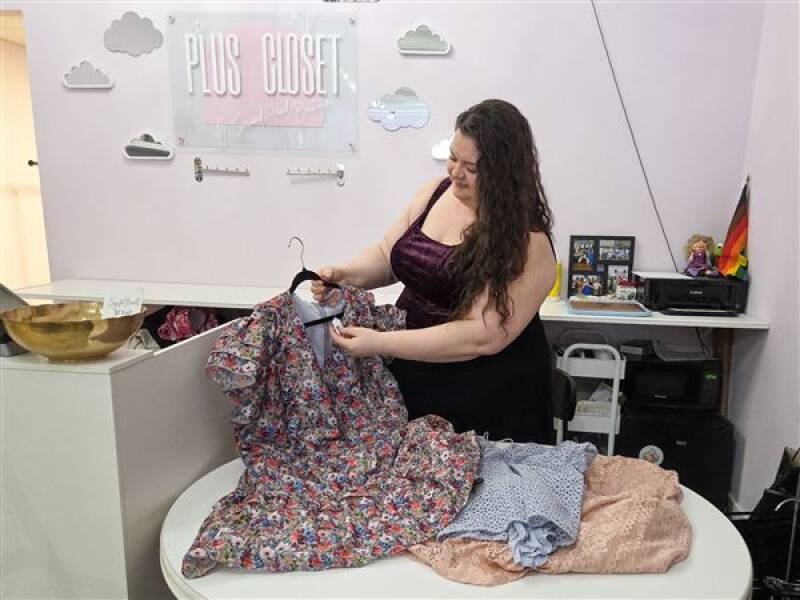
For example, Ann Lindsay, a fashion enthusiast, has always faced difficulties in finding clothes that fit well and reflect her personal style. The potential shrinking of the plus-size market intensifies these existing frustrations. Her experience reflects a common sentiment within the community - a fear that progress made towards size inclusivity could be reversed.
Why This News Matters
This news goes beyond just clothing availability. It touches upon several important issues:
- Body Image and Acceptance: Reduced options could reinforce negative stereotypes and societal pressures related to body size.
- Diversity and Inclusion: A shrinking plus-size market signals a potential lack of representation and acceptance of diverse body types.
- Retailer Responsibility: Fashion brands have a social responsibility to cater to a wide range of body sizes, regardless of changing trends.
- Economic Impact: The plus-size market is a significant economic force. Shifts in demand could have substantial financial consequences for retailers and manufacturers.
Our Analysis
In our opinion, the concerns within the plus-size fashion community are valid and warrant attention. While GLP-1 drugs offer a potential solution for weight management, their impact on industries like fashion must be carefully considered. It's crucial to avoid a scenario where progress towards size inclusivity is undermined.
We believe that retailers need to be proactive in adapting to changing consumer needs without abandoning their commitment to inclusivity. This could involve strategies such as:
- Offering a wider range of sizes to cater to individuals across the weight spectrum.
- Investing in data analysis to better understand shifting demand patterns.
- Collaborating with plus-size influencers and designers to ensure that collections remain stylish and relevant.
Future Outlook
The future of plus-size fashion in the era of GLP-1 drugs is uncertain. Several possible scenarios could unfold:
- Scenario 1: Continued Inclusivity. Retailers adapt by offering a broader range of sizes and styles, catering to all body types. This requires foresight and a commitment to inclusivity.
- Scenario 2: Market Contraction. The plus-size market shrinks, leading to fewer options and potentially higher prices for those who remain in that category. This scenario is what many fear.
- Scenario 3: Niche Specialization. Smaller, independent brands emerge, focusing specifically on plus-size fashion and catering to a niche market. This could offer more unique and specialized options, but potentially at a higher price point.
Ultimately, the future depends on the choices made by retailers and the evolving preferences of consumers. It's vital that the fashion industry prioritizes body positivity and inclusivity, ensuring that individuals of all sizes have access to stylish and well-fitting clothing. This could impact the health and confidence of a large consumer group.
The increasing use of GLP-1 medications is a complex issue and its overall effect on body image and acceptance is not yet clear. It will be important to watch how this trend plays out over the next few years.