PKR Internal Strife: Loyalists Sidelined, Rafizi's Power Grows
Deep dive into the growing tensions within PKR, as loyalists feel marginalized and Rafizi Ramli's influence solidifies. We analyze the potential impact on Malaysian politics.
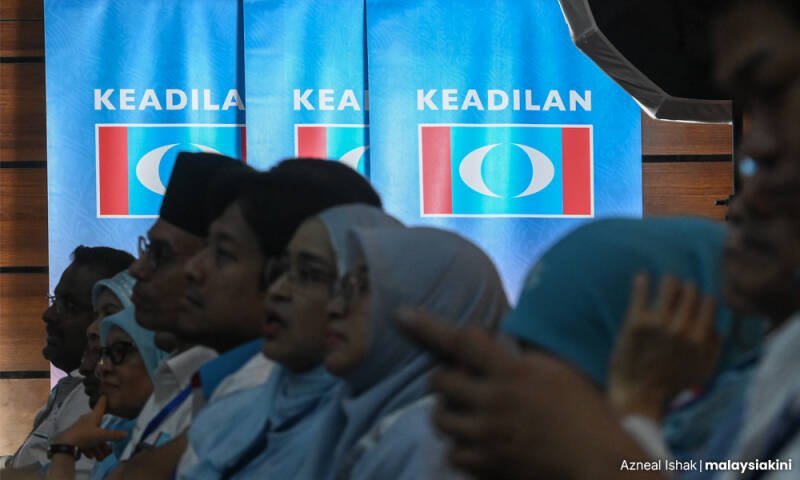



Deep dive into the growing tensions within PKR, as loyalists feel marginalized and Rafizi Ramli's influence solidifies. We analyze the potential impact on Malaysian politics.
Malaysia's People's Justice Party (PKR), a key component of the ruling coalition, is reportedly facing internal turmoil. Recent reports suggest a growing sense of dissatisfaction among long-time party loyalists who feel increasingly sidelined. This discontent appears to be brewing alongside the rising influence of Rafizi Ramli, a prominent figure within PKR.
The reports highlight a perceived marginalization of individuals who have been dedicated to PKR for many years. These individuals, according to sources, believe their contributions are being overlooked as new power dynamics take shape within the party. The exact reasons for this perceived sidelining remain unclear, but speculation points towards internal disagreements on policy direction and strategies for the future.
Contrastingly, Rafizi Ramli, a former Member of Parliament and a well-known political strategist, seems to be solidifying his position. He is often described as a strong and influential figure within PKR, and some perceive him as a force to be reckoned with. The quote "Rafizi is like a giant tree that no force can uproot" reflects this perception of his power and resilience within the party.
The internal stability of PKR is crucial for the overall stability of the Malaysian government. As a significant member of the ruling coalition, any significant internal strife within PKR could potentially weaken the government's position and create opportunities for the opposition. The reported tensions also raise questions about the future direction of PKR and its commitment to its core values.
Furthermore, the situation underscores the challenges faced by political parties in managing internal factions and power struggles. Balancing the interests of long-serving members with the need for new leadership and ideas is a complex task that requires careful navigation. A failure to do so can lead to fragmentation and internal conflict.
In our opinion, the reported internal strife within PKR is a serious concern that warrants close attention. The marginalization of loyalists could lead to further disunity and potentially defections, weakening the party's base. The increasing influence of Rafizi Ramli, while not inherently negative, could exacerbate existing tensions if not managed carefully. Open communication and inclusive decision-making processes are crucial to address the grievances of those who feel sidelined.
It is also important to consider the broader context of Malaysian politics. The current political landscape is highly fluid, with shifting alliances and power struggles. Any instability within a major party like PKR could have significant repercussions for the entire political system. This could impact the government's ability to implement its policies and address pressing national issues.
The future trajectory of PKR hinges on its ability to resolve its internal conflicts and maintain unity. Anwar Ibrahim, the party's leader, faces the challenge of mediating between different factions and ensuring that all voices are heard. How he navigates this delicate situation will be critical in determining the party's stability and future success.
Looking ahead, several potential scenarios could unfold:
Ultimately, the future of PKR depends on its leaders' ability to navigate the current challenges and maintain the party's cohesion. The coming months will be crucial in determining whether PKR can overcome its internal strife and remain a relevant force in Malaysian politics. We believe that transparent leadership and genuine efforts to address the concerns of all members are essential for the party to move forward.