Pilot Ejects Behind Enemy Lines: Survival, Rescue, and What Happens Next
A pilot ejecting behind enemy lines faces immediate danger. This article breaks down survival strategies, rescue efforts, and the geopolitical implications.



A pilot ejecting behind enemy lines faces immediate danger. This article breaks down survival strategies, rescue efforts, and the geopolitical implications.
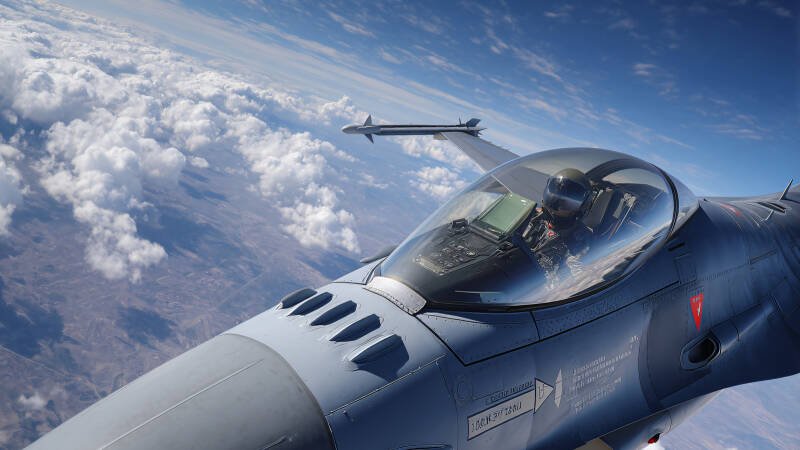
Imagine this: a pilot, soaring through the sky in a sophisticated fighter jet, suddenly faces a catastrophic mechanical failure or enemy fire. Their only option? Ejection. But what happens when that ejection occurs over enemy territory? The scenario is fraught with peril, demanding skill, courage, and a bit of luck for survival and eventual rescue.
The moment a pilot ejects, they are thrown into a whirlwind of physical forces. The ejection seat is designed to propel them clear of the aircraft, but the process is violent. There's the risk of injury from the ejection itself, including broken bones or spinal compression. Then there's the disorientation of being suddenly suspended in the air, attached to a parachute.
Once on the ground, the pilot faces immediate threats. They are now an exposed target, potentially surrounded by hostile forces. Their primary goal is to evade capture and signal for rescue. This requires resourcefulness, training, and the ability to adapt to rapidly changing circumstances.
Military pilots receive extensive training in survival, evasion, resistance, and escape (SERE). This training equips them with the skills to survive in hostile environments. Key strategies include:
Once the pilot has signaled for help, a search and rescue (SAR) operation is launched. This is a complex and dangerous undertaking, involving specialized aircraft, ground forces, and intelligence gathering. The rescue team must navigate hostile territory, overcome enemy resistance, and locate the downed pilot as quickly as possible.
The success of a rescue operation depends on several factors, including the pilot's ability to communicate their location, the availability of resources, and the political situation. In some cases, a rescue attempt may be deemed too risky, and the pilot may be left to fend for themselves.
Understanding the realities of a pilot ejecting behind enemy lines provides insight into the sacrifices made by military personnel and the complex challenges faced in modern warfare. It highlights the importance of specialized training, advanced technology, and the unwavering commitment of rescue teams. These events also shape geopolitical strategies and influence international relations, particularly in conflict zones.
The situation for a pilot ejected behind enemy lines is incredibly precarious. Their survival hinges not just on their training, but also on the responsiveness and effectiveness of the rescue operation. The technology used in both evasion (like encrypted radios) and rescue (advanced tracking systems) is constantly evolving. In our opinion, the psychological fortitude of the pilot is just as important as their physical preparedness. This could impact recruitment and training methods in the future, placing even greater emphasis on mental resilience.
Looking ahead, the future of pilot survival and rescue will likely be shaped by advancements in technology and changes in warfare. We anticipate greater reliance on drones for reconnaissance and rescue support, as well as the development of more sophisticated survival gear. Artificial intelligence could play a role in analyzing data and predicting the best course of action for both the pilot and the rescue team.
However, even with technological advancements, the human element will remain crucial. The courage, skill, and resourcefulness of the pilot and the rescue team will always be essential for success. It is also important to consider the ethical implications of rescue operations in politically sensitive areas. In our opinion, international cooperation and adherence to the laws of war are essential for ensuring the safe return of downed pilots. The ability of militaries to perform these extractions is an indicator of their force projection capabilities.