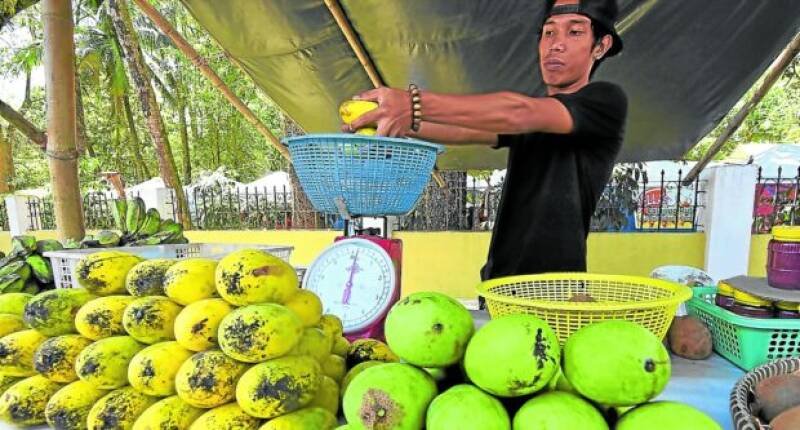
Philippines Eyes Mango and Pineapple Exports to the US: What It Means
The Philippines is working to export mangoes and pineapples to the US. This article breaks down the implications for the Philippine economy, US consumers, and the future of agricultural trade.
Philippines Aims to Export Mangoes and Pineapples to America: A Sweet Opportunity
The Philippines is setting its sights on expanding its agricultural trade with the United States, specifically targeting the export of its renowned mangoes and pineapples. This initiative, spearheaded by the Philippine government, aims to tap into the lucrative US market and boost the country's agricultural sector.
Collaboration for Quality
Gerald Glenn Panganiban, director of the Bureau of Plant Industry (BPI), has stated that the government is actively collaborating with American authorities. The focus is on ensuring that Philippine pineapple exports meet the stringent quality standards required for entry into the US market. This collaborative approach is crucial for building trust and ensuring the sustainability of this export venture.
Why This News Matters
This potential export deal has significant implications for both the Philippines and the United States:
- Economic Boost for the Philippines: Increased exports mean increased revenue for Filipino farmers and the agricultural sector as a whole. This could lead to job creation and improved living standards in rural communities.
- Wider Variety for US Consumers: American consumers would gain access to the unique flavors and high-quality mangoes and pineapples that the Philippines is known for. This adds diversity to the US fruit market and provides consumers with more choices.
- Strengthened US-Philippine Relations: Enhanced trade cooperation strengthens the economic ties between the two countries and fosters a more robust bilateral relationship.
Our Analysis
In our opinion, this initiative is a strategic move by the Philippine government to diversify its export markets and capitalize on its agricultural strengths. The Philippines boasts a favorable climate and fertile soil, ideal for producing high-quality mangoes and pineapples. Successfully penetrating the US market could serve as a model for exporting other Philippine agricultural products in the future.
However, there are challenges to overcome. Meeting US quality standards consistently will require investment in infrastructure, technology, and training for Filipino farmers. Competition from other countries already exporting to the US market will also be a factor. The Philippines needs to differentiate its products based on quality, taste, and sustainable farming practices.
Future Outlook
The success of this export initiative hinges on several factors:
- Successful Collaboration: Continued cooperation between the BPI and US regulatory agencies is essential for streamlining the export process and ensuring compliance with all requirements.
- Infrastructure Development: Investment in post-harvest facilities, cold storage, and transportation infrastructure is crucial for maintaining the quality and freshness of the exported fruits.
- Marketing and Branding: Effective marketing and branding efforts are needed to raise awareness of Philippine mangoes and pineapples in the US market and differentiate them from competing products.
This could impact the entire agricultural landscape in the Philippines. A thriving export market could incentivize more farmers to invest in high-quality fruit production, leading to overall improvements in the sector. The development of sustainable and environmentally friendly farming practices will also be crucial for maintaining the long-term viability of this export venture.
Ultimately, this endeavor represents a significant opportunity for the Philippines to showcase its agricultural prowess and strengthen its economic ties with the United States. By addressing the challenges and capitalizing on its strengths, the Philippines can establish itself as a reliable supplier of high-quality mangoes and pineapples to the US market.