Peru Presidential Election Marred by Delays: What It Means for the Country's Future
Peru's presidential election faced significant delays. We break down why this matters, analyze the situation, and explore the future outlook for the politically unstable nation.
Peru's Presidential Election Faces Delays: A Nation Seeking Stability
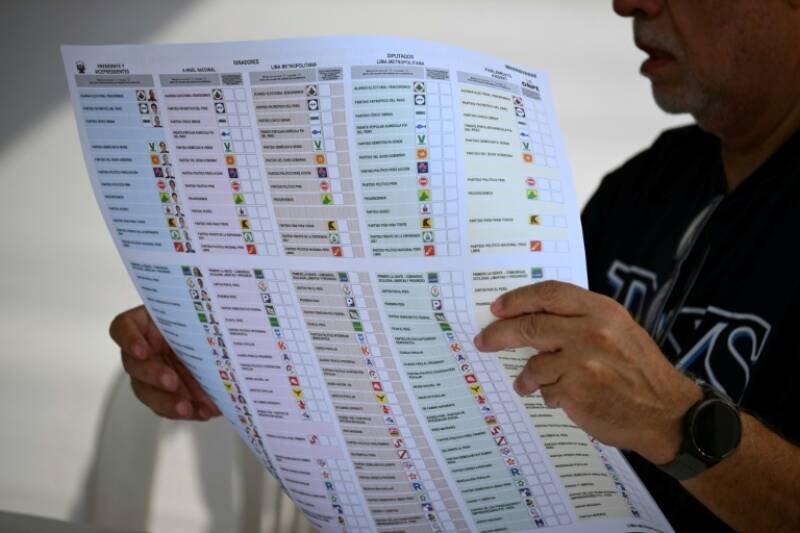
Peru held its presidential and legislative elections on Sunday, hoping to bring an end to a period of extreme political instability. However, the voting process was plagued by hours-long delays, frustrating voters eager for a change.
The Context: A Decade of Turmoil
In the past ten years, Peru has seen nine presidents either ousted from office or imprisoned. This rapid turnover highlights deep-seated issues of corruption, political infighting, and a lack of public trust in the government. The current election is viewed by many as an opportunity to break this cycle and establish a more stable and effective leadership.
The delays, which affected polling stations across the country, added to the already existing tensions and anxieties surrounding the election. While the exact causes of the delays are still being investigated, initial reports suggest logistical problems, staffing shortages, and potential security concerns contributed to the issue.
Why This News Matters
The delays in Peru's election are more than just an inconvenience. They undermine the democratic process and erode public confidence in the electoral system. When people feel that their ability to vote is being hindered, they become less likely to participate in future elections, further destabilizing the country.
Furthermore, the outcome of this election will have a significant impact on Peru's economic and social future. A stable government could attract foreign investment, improve public services, and address issues such as poverty and inequality. However, continued political turmoil could lead to economic stagnation and social unrest.
Our Analysis
In our opinion, the delays are symptomatic of deeper problems within Peru's political system. The lack of adequate preparation and resources for the election suggests a lack of commitment to ensuring a fair and transparent process. This could be due to simple incompetence, or more nefariously, to attempt at suppressing votes. Either way, it casts a shadow over the integrity of the election.
The fact that Peru has had so many presidents in such a short period points to a systemic issue with corruption and a lack of accountability. Until these underlying problems are addressed, it will be difficult for Peru to achieve long-term political stability. The election delays, in effect, are a symptom of the disease affecting Peruvian government.
It's vital for international observers to thoroughly investigate these delays and ensure that the election results are credible and reflect the true will of the Peruvian people.
Future Outlook
The future of Peru depends on whether the new government can address the root causes of political instability and restore public trust. This will require a commitment to transparency, accountability, and good governance.
Here are some potential scenarios:
- Scenario 1: Stable Government Emerges: If the new government is able to unite the country, implement effective policies, and combat corruption, Peru could experience a period of economic growth and social progress. This is the optimistic, but less probable outcome.
- Scenario 2: Continued Political Turmoil: If the new government fails to address the underlying problems, Peru could continue to experience political instability and economic stagnation. This could lead to further social unrest and even violence. Sadly, this outcome is likely, based on recent history.
- Scenario 3: Intervention/International Involvement: If the situation deteriorates significantly, there could be calls for international intervention to help stabilize the country and ensure free and fair elections. This would be an extreme measure, but it could become necessary if the political situation continues to spiral out of control.
In conclusion, the delays in Peru's presidential election are a cause for concern. They highlight the ongoing political instability in the country and the challenges it faces in building a more democratic and prosperous future. The next few months will be critical in determining whether Peru can break free from its cycle of turmoil and embark on a path towards lasting stability.