Pentagon Prepares for Cuba: What It Means for US-Cuba Relations
The Pentagon is increasing military planning for Cuba. Understand what this means, the potential impact, and future outlook. Get our expert analysis.



The Pentagon is increasing military planning for Cuba. Understand what this means, the potential impact, and future outlook. Get our expert analysis.
Recent reports indicate that the Pentagon is intensifying its planning for potential military operations in Cuba. This development comes alongside heightened political rhetoric, particularly following comments made by former President Donald Trump suggesting a possible intervention in Cuba. Understanding the context and implications of these events is crucial for comprehending the evolving dynamics of US-Cuba relations.
The Pentagon's increased planning involves assessing various scenarios, including potential responses to civil unrest, humanitarian crises, or perceived threats to U.S. national security interests in Cuba. While such planning is often part of standard military protocol, the timing and intensity of these preparations raise questions about the current administration's stance on Cuba.
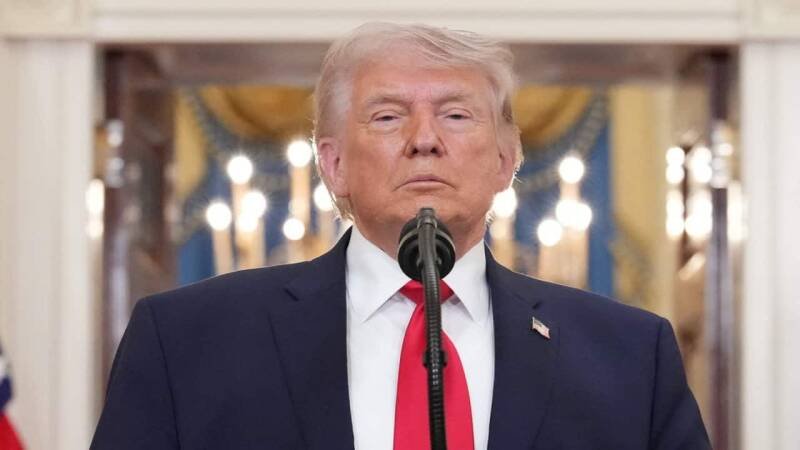
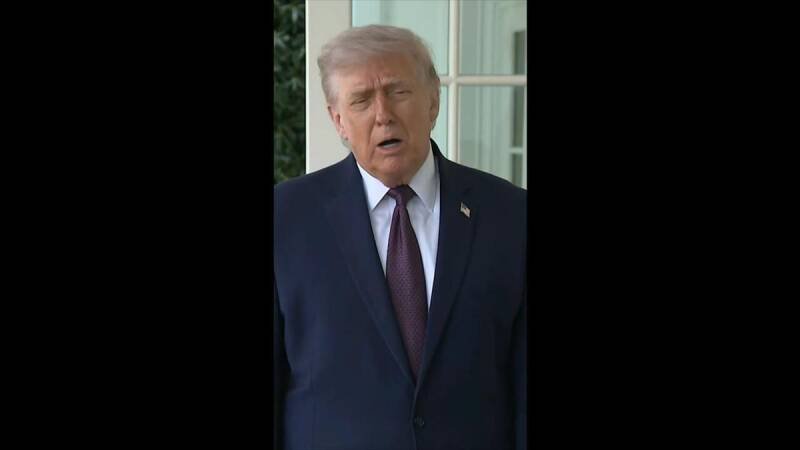
Adding to the complexity is former President Trump's recent statement, implying a desire to "take Cuba, in some form." His remarks, though ambiguous, have been widely interpreted as a potential threat of military intervention, further escalating tensions between the two nations. While Trump is no longer in office, his influence on the Republican party and a segment of the American public is undeniable, and his comments cannot be ignored.
This news matters because it highlights the persistent instability in US-Cuba relations and the potential for rapid escalation. Even the suggestion of military involvement can have significant ramifications, impacting regional stability, diplomatic efforts, and the lives of Cuban citizens.
Furthermore, it raises critical questions about U.S. foreign policy and the threshold for military intervention in sovereign nations. Understanding the Pentagon's planning and the political rhetoric surrounding it is essential for informed civic engagement and shaping public discourse on this important issue.
In our opinion, the Pentagon's increased planning is likely a precautionary measure, rather than an indication of imminent military action. However, the timing and the accompanying political rhetoric are concerning. The current administration needs to manage this situation delicately, prioritizing diplomacy and dialogue to avoid further escalating tensions.
Trump's comments, while perhaps intended to appeal to a specific voter base, are incredibly irresponsible. They risk destabilizing the region and undermining any potential for improved relations between the U.S. and Cuba. The administration must clearly distance itself from such rhetoric and reaffirm its commitment to peaceful solutions.
The fact that the Pentagon is ramping up planning suggests that the intelligence community is concerned about potential instability within Cuba. This could be tied to economic hardship, political dissent, or a combination of factors. Regardless of the cause, careful monitoring and strategic planning are warranted.
The future of US-Cuba relations remains uncertain. Several factors will influence the direction of this relationship, including:
This could impact tourism, trade, and diplomatic ties between the two countries. A further deterioration in relations could lead to increased instability in the region, while a renewed focus on diplomacy could pave the way for improved relations and greater cooperation.
Ultimately, the path forward requires careful consideration, strategic planning, and a commitment to peaceful resolution. The stakes are high, and the potential consequences of missteps are significant.