Ontario Program Helps Low-Income Homes Switch from Oil Heating
Ontario's IESO offers a program to help lower-income families replace oil heating systems with more efficient options. Learn about eligibility, benefits, and the future impact of this initiative.
Ontario Offers Help Switching From Oil Heating: Is This For You?
Are you tired of high oil heating bills? Do you want a more efficient and environmentally friendly way to heat your home? If you live in Ontario and meet certain income requirements, a new program might be just what you're looking for.
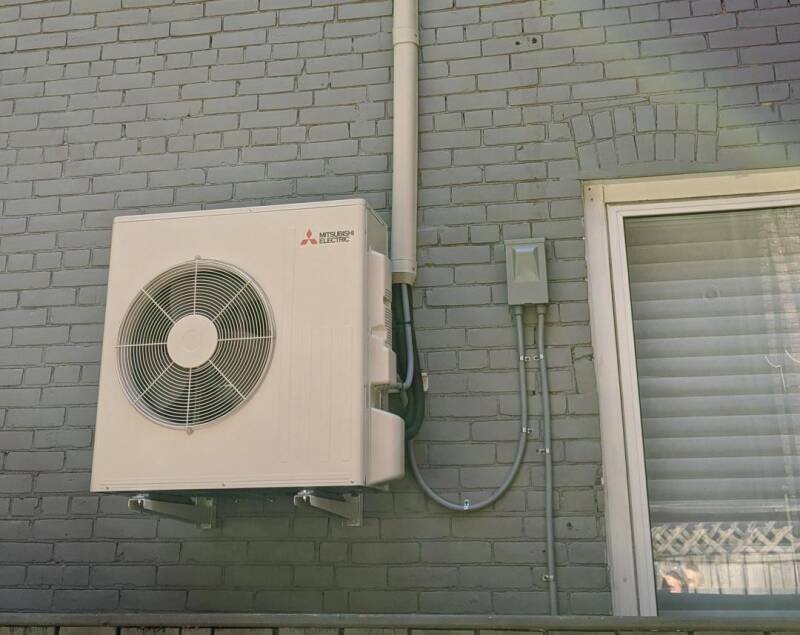
The Independent Electricity System Operator (IESO), responsible for operating Ontario's electricity system, is launching an initiative to help lower-income households replace their old oil heating systems with more efficient alternatives. This could mean switching to electric heat pumps or other energy-efficient solutions.
Who is Eligible?
The program is specifically designed for lower-income households. While the exact income thresholds haven't been publicized, details are available on the IESO's website or by contacting them directly. You'll need to verify that your household meets the income criteria to qualify.
What Are the Benefits?
Switching from oil heating can bring a range of benefits:
- Lower Energy Bills: Modern heating systems are often far more efficient than older oil furnaces, leading to significant savings on your monthly energy bills.
- Increased Home Comfort: New heating systems can provide more consistent and comfortable temperatures throughout your home.
- Reduced Environmental Impact: Oil heating contributes to greenhouse gas emissions. Switching to cleaner alternatives like heat pumps reduces your carbon footprint.
- Improved Home Value: Upgrading your heating system can increase the value of your home.
Why This News Matters
This program addresses two critical issues: energy poverty and climate change. Lower-income households often struggle with high energy costs, making it difficult to afford other necessities. By helping these families switch to more efficient heating systems, the IESO is providing much-needed financial relief. Simultaneously, reducing reliance on oil heating contributes to Ontario's broader climate goals by lowering greenhouse gas emissions. It's a win-win situation.
Our Analysis
In our opinion, this is a positive step towards making energy more affordable and accessible for all Ontarians. The focus on lower-income households is particularly important, as these families are often disproportionately affected by rising energy costs. The success of the program will depend on several factors, including the ease of application, the availability of qualified installers, and the level of public awareness.
However, the program details are quite sparse currently. The IESO needs to clearly communicate eligibility criteria and available options to ensure widespread adoption. Furthermore, there needs to be a strong focus on quality installation to maximize the energy efficiency gains. A poorly installed heat pump, for example, won't deliver the promised savings. We believe this program has the potential to make a real difference in the lives of many Ontarians, but careful implementation is crucial.
Future Outlook
This initiative could serve as a model for other provinces looking to address energy poverty and reduce carbon emissions. If successful, we anticipate that similar programs may be expanded across Ontario or adopted in other parts of Canada. This could impact the heating and cooling industry significantly, driving demand for energy-efficient technologies like heat pumps. Furthermore, increasing public awareness of these programs will play a key role in their long-term sustainability.
The focus on cleaner energy sources will only intensify in the coming years as governments strive to meet climate targets. This program is part of a larger trend towards electrification and decarbonization of the economy. We expect to see further investments in energy efficiency and renewable energy in the years to come. Keep an eye on the IESO website and local government announcements for more details and application information.