Oil Heat Homes: Rising Costs and Property Value Concerns Explained
Discover the challenges faced by homeowners with oil-fired heating systems, including higher heating costs and potential difficulties selling their properties. Learn about the future outlook and expert analysis.
Oil-Heated Homes: A Double Whammy of Rising Costs and Falling Value
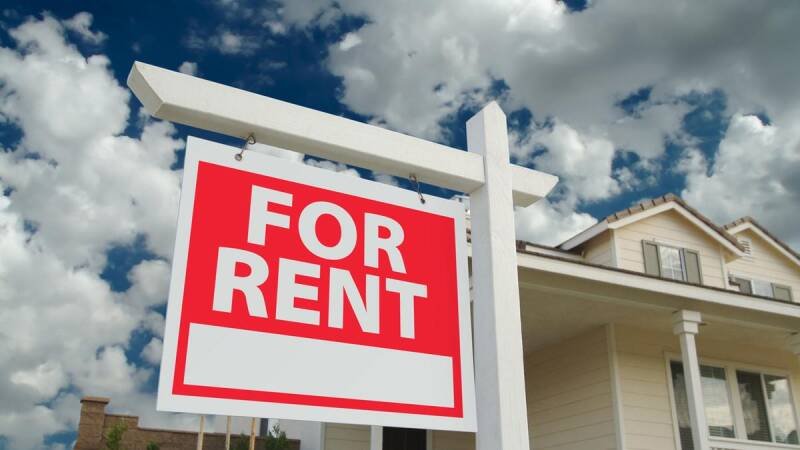
Spring is usually the prime time to sell a house. Gardens look their best, and sunny weather makes everything more appealing. But for homeowners with oil-fired heating systems, the season might be bringing more headaches than offers.
The Rising Cost of Keeping Warm
Heating a home with oil is becoming increasingly expensive. The price of fuel oil fluctuates, often spiking due to global events and supply chain issues. This leaves homeowners facing unpredictable and potentially hefty heating bills, especially during cold snaps. Many families are now struggling to afford basic home heating. For example, a typical oil tank holds 275 gallons. At $4 per gallon, a single fill-up costs over $1000!
Property Values Taking a Hit?
Beyond the immediate cost of heating, oil-fired systems are also becoming a potential drag on property values. Buyers, particularly younger generations, are increasingly concerned about energy efficiency and environmental impact. An oil-fired system might be seen as outdated and less desirable compared to more modern, eco-friendly options like heat pumps or natural gas. This could lead to lower offers or longer times on the market.
Why This News Matters
This is more than just a homeowner's problem. It reflects a broader trend toward energy transition and the need for sustainable heating solutions. As governments and communities prioritize reducing carbon emissions, homes reliant on fossil fuels like oil are facing increasing scrutiny. This trend could impact homeowners, real estate markets, and the overall economy.
Our Analysis
In our opinion, homeowners with oil-fired heating systems are facing a significant challenge. The rising cost of fuel oil is putting a strain on household budgets, and the perceived lack of energy efficiency could negatively impact property values. Buyers are increasingly looking for homes that are not only aesthetically pleasing but also environmentally responsible. Failing to address the heating system issue could severely hamper saleability. The time to act is now!
Potential Solutions and Considerations
What can homeowners do? Several options exist, each with its own pros and cons:
- Switching to Natural Gas: If available, converting to natural gas can offer a more stable and potentially cheaper heating option. However, this requires an initial investment for installation and connection.
- Installing a Heat Pump: Heat pumps offer both heating and cooling and are far more energy-efficient than oil-fired systems. They are a significant upfront investment but can save money in the long run and increase property value.
- Improving Insulation: Enhancing insulation in walls, attics, and basements can significantly reduce heat loss, lowering overall heating costs, regardless of the fuel source.
- Exploring Government Incentives: Many governments offer rebates and tax credits for upgrading to energy-efficient heating systems. Researching these incentives can help offset the initial cost of switching.
Future Outlook
The future for oil-heated homes looks uncertain. As environmental regulations tighten and renewable energy becomes more affordable, the pressure on oil-fired systems will likely intensify. The trend towards energy efficiency and sustainability is unlikely to reverse, suggesting that homes with outdated heating systems will face increasing challenges in the market. We believe that proactive homeowners who invest in energy-efficient upgrades will be better positioned to maintain property values and attract buyers in the long run. This could impact government policy as well, as local representatives may seek to accelerate or subsidize transition to green energy solutions.
Prepare for the Shift
Ultimately, adapting to the changing energy landscape is crucial for homeowners with oil-fired systems. Weighing the options carefully and making informed decisions about upgrading or improving energy efficiency can help mitigate the risks and ensure a more comfortable and valuable home in the future. Ignoring the problem could lead to increasing costs and a potentially significant devaluation of your property.