Nepal's Economic Census: Why It Matters and What's Next
Nepal is gearing up for its second economic census. Learn why this data is crucial, what it tells us, and how it will shape future policies.
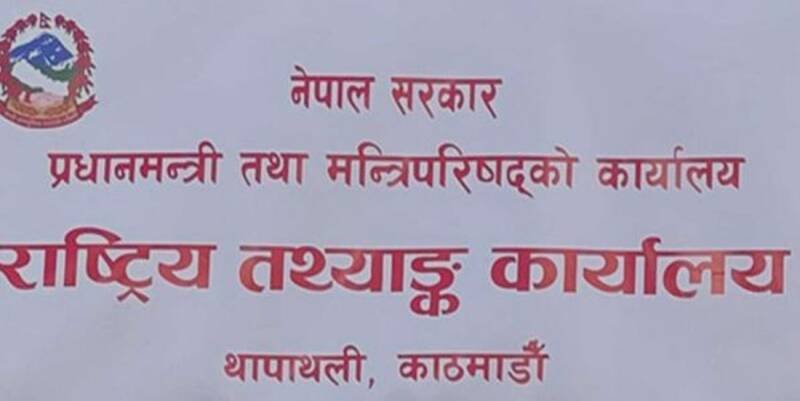



Nepal is gearing up for its second economic census. Learn why this data is crucial, what it tells us, and how it will shape future policies.
Nepal is on the cusp of conducting its second-ever comprehensive economic census. Field teams have been deployed, signaling that preparations are in the final stretch. This census aims to paint a detailed picture of the country's economic landscape, offering valuable insights into the businesses operating within Nepal.
An economic census is a large-scale statistical undertaking that aims to collect detailed information about all (or nearly all) businesses within a defined geographical area, typically a country. Unlike sample surveys, a census attempts to reach every economic unit, providing a complete enumeration of the economy. This allows for very detailed analysis and comparisons across regions, sectors, and business sizes.
The data gathered from the economic census is critical for informed decision-making. Here's why it's so important:
In our opinion, this economic census is a pivotal moment for Nepal. Accurate and comprehensive data is the bedrock of sound economic planning. Without it, policies risk being misdirected and resources misallocated. The success of this census hinges on several factors:
This census could impact the allocation of funds to different sectors. For example, if the census reveals a boom in the tourism sector, the government might be encouraged to invest more heavily in infrastructure and promotion related to tourism.
The findings of the economic census will likely be released in stages over the coming months. We anticipate that the initial reports will provide a broad overview of the economic landscape, followed by more detailed analysis of specific sectors and regions. It's crucial that these findings are disseminated widely and made accessible to all stakeholders.
The future success of Nepal's economy depends, in part, on its ability to learn from this data. The government, businesses, and citizens all have a role to play in using the information gathered to make informed decisions and contribute to a more prosperous future. Furthermore, strengthening statistical capacity is important. We suggest that Nepal invests in better training and tools to support future data collection efforts.