Nepal Recalls Ambassadors: What This Means for International Relations
Nepal's government has recalled 17 ambassadors, leaving key diplomatic missions without representation. Understand the implications of this decision.
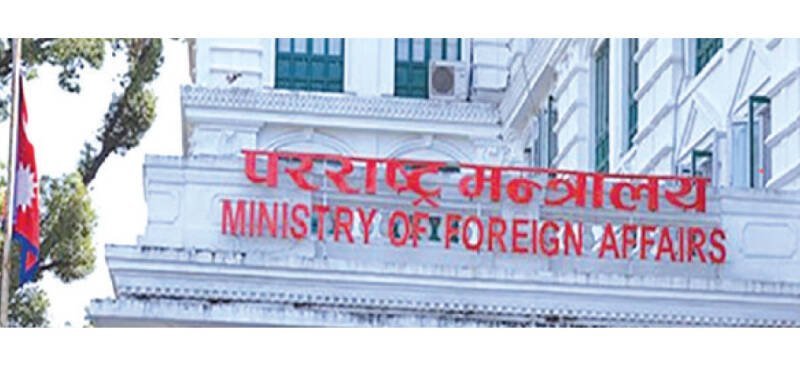



Nepal's government has recalled 17 ambassadors, leaving key diplomatic missions without representation. Understand the implications of this decision.
Kathmandu, Nepal – In a significant shift in its foreign policy approach, the Nepali government has recalled a substantial number of its ambassadors stationed across the globe. This decision, announced recently, affects a total of 17 diplomatic missions, leaving them currently without ambassadors.
The recalled ambassadors were primarily appointed during the tenure of former Prime Minister KP Sharma Oli. This action is widely interpreted as a move by the current government to reshape Nepal's diplomatic presence and align it with its own foreign policy objectives. The abrupt nature of the recall raises questions about the continuity and stability of Nepal's relationships with key international partners.
This isn't just administrative shuffling; it's a strategic realignment with potentially far-reaching consequences. Ambassadors are the face and voice of a nation abroad. They are crucial for:
Without ambassadors, these functions are severely hampered, potentially impacting Nepal's influence and relationships across the globe.
The recall of ambassadors along political lines is not new in Nepal. In our opinion, this signifies the politicization of diplomatic roles. While governments are entitled to appoint envoys who align with their vision, the scale of this recall is unusual. It suggests a lack of trust in the existing appointees and a desire for a complete overhaul.
This could impact Nepal's image as a reliable partner. Sudden changes in diplomatic representation can create uncertainty and strain relationships with other nations. While a change in government often leads to some adjustments in diplomatic personnel, the wholesale recall of such a large contingent is a bold and somewhat risky move.
The immediate priority for the Nepali government will be to appoint new ambassadors to fill these crucial roles. The speed and criteria by which these appointments are made will be closely watched. Here are some key factors to consider:
The incoming ambassadors will face the task of rebuilding trust and reaffirming Nepal's commitment to its international partners. In our opinion, they need to be carefully selected. This is a critical opportunity to strengthen Nepal's relationships and promote its interests effectively. This situation also presents an opportunity for Nepal to re-evaluate its foreign policy priorities and ensure they align with its long-term goals. However, if the appointments are solely based on political favor, Nepal's diplomatic effectiveness could suffer.
This situation could impact several areas of Nepal's international relations:
The coming months will be critical in determining the long-term impact of this decision on Nepal's global standing. The government's actions in appointing new ambassadors and articulating its foreign policy agenda will be crucial in shaping the future of Nepal's international relations.