Nepal Constitution Amendment: Parties Asked to Nominate Members for Debate Task Force
Nepal's government is preparing to amend the constitution. Parties are nominating members for a task force to create a discussion paper. Learn why this matters and what the future holds.
Nepal Takes Steps Towards Constitution Amendment: What You Need to Know
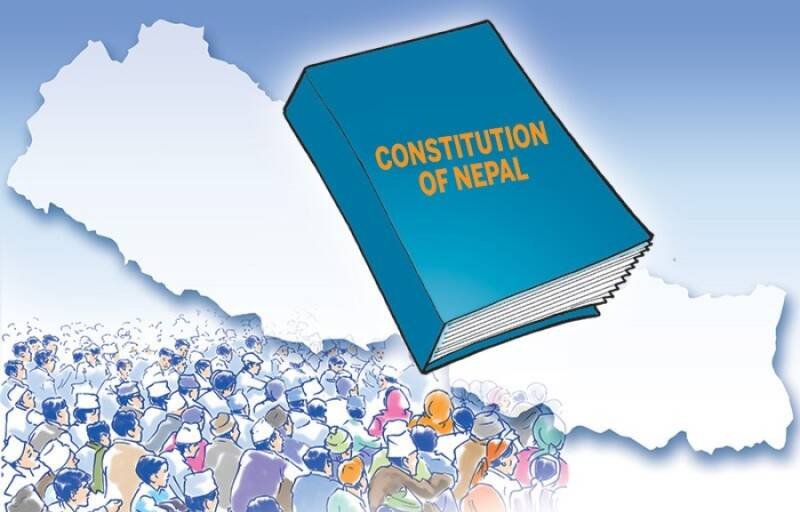
The government of Nepal has initiated preparations for a significant undertaking: amending the country's constitution. As a first step, political parties have been formally requested to nominate members for a newly established task force. This task force will be responsible for drafting a "Constitution Amendment Discussion Paper," which will serve as the basis for future debates and negotiations.
What's Happening?
Essentially, the government is laying the groundwork for potential changes to the fundamental law of the land. This process begins with assembling a team of representatives from various political parties. These representatives will collaborate to produce a discussion paper outlining potential areas for amendment and the arguments for and against them.
Why This News Matters
Amending a constitution is a serious and complex process that can profoundly impact a nation's future. Here's why this news is important:
- Shapes Governance: The constitution defines the structure of government, the rights of citizens, and the relationship between the state and its people. Changes to the constitution can alter these fundamental aspects of society.
- Addresses Grievances: Constitutions are sometimes amended to address historical injustices, social inequalities, or emerging challenges. This amendment could potentially address concerns that have been raised since the current constitution was adopted.
- Political Stability: The process of amending a constitution can be highly divisive if not handled carefully. Consensus-building and inclusive dialogue are crucial to ensure that any changes reflect the will of the people and promote political stability.
Our Analysis
The government's initiative to form a task force is a positive step towards initiating a dialogue on constitutional reform. However, the success of this process hinges on several factors. Crucially, the composition of the task force must be truly representative of Nepal's diverse political landscape. All major parties, including those in opposition, must be given a meaningful voice in the discussion. In our opinion, transparency and public participation are also essential. The discussion paper should be widely disseminated and opportunities provided for citizens to voice their opinions and concerns.
This could impact the way power is distributed within the government, the rights of different ethnic and social groups, and the overall direction of the country. It's a process that requires careful consideration and broad consensus.
Potential Challenges
The road to constitutional amendment is rarely smooth. Here are some potential challenges Nepal may face:
- Political Polarization: Deep divisions between political parties could hinder consensus-building and lead to gridlock.
- Public Disagreement: Widespread disagreement on the need for or scope of amendments could fuel social unrest.
- External Influence: Attempts by external actors to influence the amendment process could undermine Nepal's sovereignty and stability.
Future Outlook
The next few weeks and months will be crucial as political parties nominate their representatives and the task force begins its work. The quality of the discussion paper, the inclusiveness of the dialogue, and the willingness of all stakeholders to compromise will determine the success of this process. If done well, this amendment could strengthen Nepal's democracy and address long-standing grievances. However, if done poorly, it could exacerbate existing tensions and destabilize the country.
Looking ahead, the government needs to prioritize building trust and fostering a spirit of collaboration among all political actors. The future of Nepal depends on it.