Nature Photography Ethics: Capturing Stunning Images Responsibly
Explore ethical considerations in nature photography, responsible practices for capturing stunning images, and the long-term impact on wildlife and their habitats.
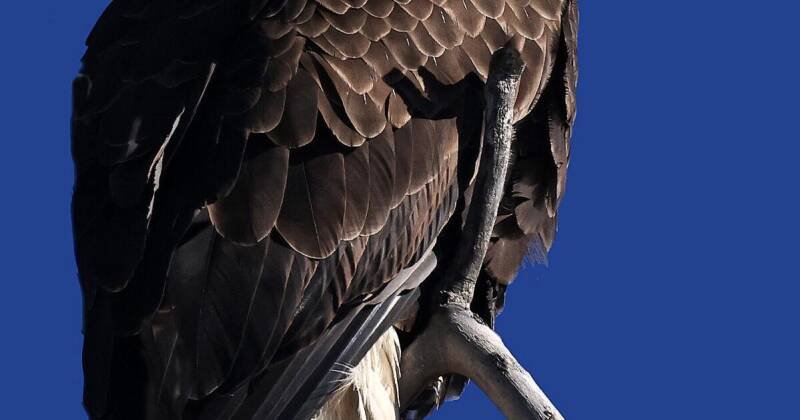



Explore ethical considerations in nature photography, responsible practices for capturing stunning images, and the long-term impact on wildlife and their habitats.
For years, nature photography has captured our imaginations, bringing the beauty and wonder of the natural world into our homes. But behind every stunning image lies a responsibility: ensuring that our pursuit of the perfect shot doesn't harm the environment or its inhabitants. This article explores the ethical considerations that every nature photographer should keep in mind.
Taking pictures in nature isn't just about pointing and shooting. It's about understanding the potential impact your presence can have. Simply being there can disturb wildlife, alter animal behavior, and damage delicate ecosystems.
The rise in popularity of nature photography, fueled by social media, makes ethical awareness more important than ever. Without a thoughtful approach, we risk degrading the very environments we seek to document and admire. These environments can be especially sensitive depending on the location and time of year; breeding season is an example of a time to be even more mindful than usual.
The well-being of animals should always be the top priority. Avoid getting too close, using flash photography that could startle or disorient, or making loud noises. Understand the behavior of the species you are photographing and be aware of signs of distress.
Practice "Leave No Trace" principles. Stay on designated trails, avoid trampling vegetation, and pack out everything you pack in. Be mindful of fragile ecosystems and avoid disturbing sensitive habitats.
Represent your images accurately. Avoid manipulating photos to misrepresent the natural world. Be transparent about your methods and any interventions you may have taken, such as using baiting or attracting techniques.
Respect private property and obtain necessary permits or permissions before photographing in protected areas. Be aware of local regulations and guidelines.
In our opinion, the future of nature photography hinges on a shift in mindset. We need to move away from a purely aesthetic pursuit and embrace a more conservation-minded approach. This means prioritizing the well-being of nature over the quest for the perfect image. We believe that photographers have a unique opportunity to educate and inspire others to appreciate and protect the natural world. They can use their platform and images to highlight issues of conservation and promote responsible behaviors.
We anticipate a growing emphasis on ethical guidelines and responsible practices within the nature photography community. Organizations and online platforms may play a larger role in promoting and enforcing these standards. Education and awareness initiatives are also likely to become more widespread, helping photographers understand the potential impact of their actions and make informed choices. This could impact the commercial landscape too - photography competitions and stock image sites may start to favour images that demonstrably follow ethical guidelines.
By embracing ethical principles, nature photographers can contribute to the preservation of the natural world while still capturing its incredible beauty. It's about finding the balance between artistic expression and environmental responsibility.
Remember, the most stunning images are those that are captured with respect, awareness, and a deep appreciation for the natural world. Let's all strive to be responsible stewards of the environment while pursuing our passion for photography.
























