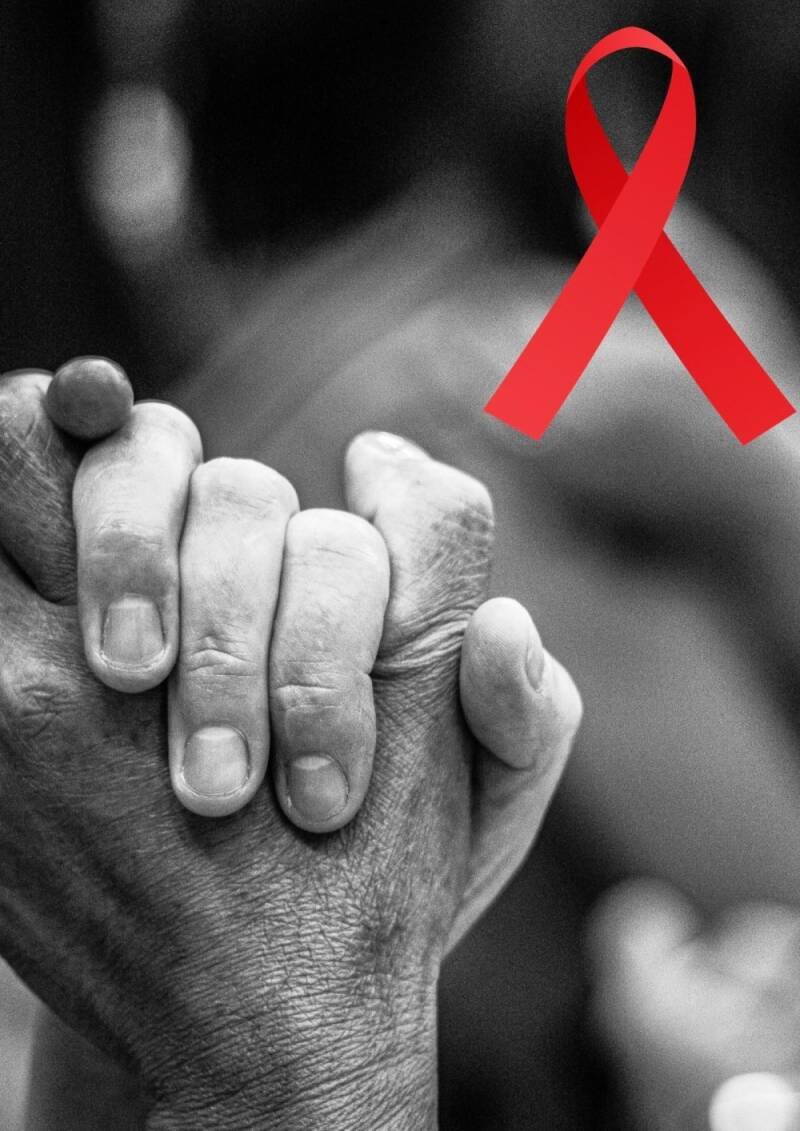
Nagaland HIV/AIDS Crisis: Advocacy Group Demands Government Action
NagaDAO urges Nagaland government to address the HIV/AIDS and drug crisis with decisive action, integrated healthcare, and community engagement. Learn about the challenges and potential solutions.
Nagaland's HIV/AIDS and Drug Crisis: A Call for Urgent Action
The Nagaland Network of Drug and AIDS Organisation (NNagaDAO), a leading voice for NGOs and civil society groups tackling drug use, HIV, and AIDS in Nagaland, has issued a strong call to the state government. They are urging immediate and decisive political action to address the intertwined crises of substance use disorder, HIV, tuberculosis (TB), viral hepatitis, and sexually transmitted infections (STIs).
NNagaDAO emphasizes the need to reactivate the State AIDS Council and the Committee of Concern, crucial bodies for coordinating efforts against these public health challenges. They argue that the government must take a more proactive and leadership-driven approach.
Fighting Stigma and Discrimination
A key aspect of NNagaDAO's appeal is the urgent need to combat stigma and discrimination. These factors often prevent individuals from seeking testing, treatment, and support, fueling the spread of HIV and related conditions. The organization stresses the importance of creating a supportive and inclusive environment where people feel safe to access healthcare.
Meaningful Engagement of NGOs and Community Groups
NNagaDAO acknowledges the vital role that NGOs and community-led organizations play in providing effective services to vulnerable populations. However, they insist that these groups should be treated as equal partners in public health planning, not merely as implementers. This means involving them in decision-making processes and valuing their expertise and insights.
According to Abou Mere, President of NNagaDAO, "We are calling for a collective, urgent, and sustained response. The state government must take Faith-Based Organizations (FBOs) and Civil Society Organisations (CSOs) into confidence. We need to plan together as equal partners to prevent a significant setback in public health."
An Integrated Health Approach
NNagaDAO strongly advocates for an integrated health approach. This involves aligning services for substance use disorder, HIV, TB, hepatitis, and STIs with primary healthcare services. The goal is to improve access, efficiency, and the overall quality of care.
The current fragmented system, with its disease-specific workflows, hinders continuity of care. NNagaDAO is pushing for a streamlined system that ensures easy access to diagnostics and quality treatment for everyone in need.
Modern Prevention and Treatment Tools
The organization urges the government to implement modern prevention and treatment tools, including long-acting injectables like Lenacapavir and Buprenorphine. These medications can improve treatment adherence and help individuals lead productive lives.
Why This News Matters
This news is significant because it highlights the urgent need for a coordinated and comprehensive response to the intertwined challenges of HIV/AIDS and substance abuse in Nagaland. It brings attention to the critical role of government leadership, community engagement, and integrated healthcare in addressing these issues effectively. The well-being of a vulnerable population is on the line and could create bigger problems for the state in the future.
Our Analysis
In our opinion, NNagaDAO's demands are well-founded and reflect a deep understanding of the complexities of the situation in Nagaland. Their emphasis on community engagement and an integrated health approach is crucial for achieving meaningful progress. The call for modern prevention and treatment tools is also timely and could significantly improve outcomes.
It's clear that the current fragmented system is not working optimally. A shift towards a more holistic and person-centered approach is essential. The government's response to NNagaDAO's demands will be a critical indicator of its commitment to addressing these public health challenges.
Future Outlook
The future outlook depends heavily on the Nagaland government's willingness to take decisive action. If the government heeds NNagaDAO's recommendations and prioritizes community engagement, integrated healthcare, and modern treatment tools, there is a strong potential for progress. However, continued inaction or a piecemeal approach could lead to a worsening of the situation. This could impact the health and well-being of the population, strain healthcare resources, and hinder the state's overall development.
Going forward, it will be crucial to monitor the government's response, track key indicators such as HIV prevalence rates and access to treatment, and continue to advocate for evidence-based policies and programs. NNagaDAO and other civil society organizations will play a vital role in holding the government accountable and ensuring that the needs of vulnerable populations are met.