NAACP Calls for Trump's Removal: Why It Matters
The NAACP is demanding Trump's removal from office. We break down their reasoning, the potential impact, and what this means for the future.




The NAACP is demanding Trump's removal from office. We break down their reasoning, the potential impact, and what this means for the future.
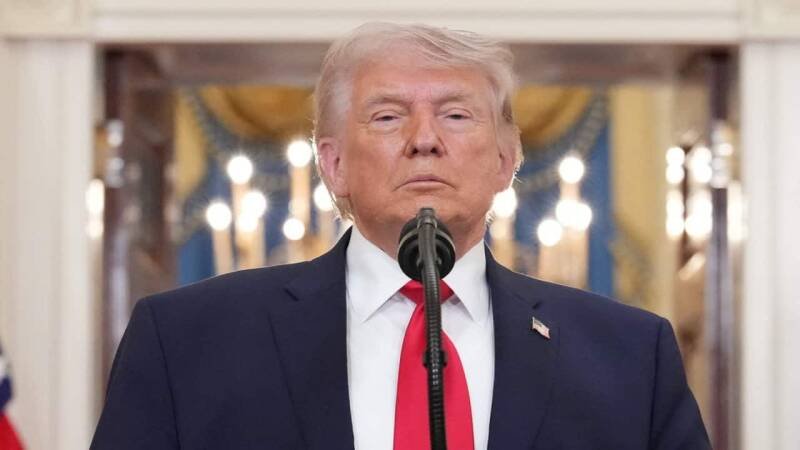
The NAACP, one of the oldest and most respected civil rights organizations in the United States, has issued a powerful statement calling for the immediate removal of former US President Donald Trump. They are urging his impeachment and removal from power, or invoking the 25th Amendment of the Constitution.
Founded in 1909, the National Association for the Advancement of Colored People (NAACP) has been at the forefront of the fight for racial justice and equality in America. They have a long and storied history of advocating for the rights of Black Americans and working to dismantle systemic racism. Their voice carries significant weight, especially within the African American community and among those who champion civil rights.
The NAACP's call for Trump's removal, although not current, was rooted in what they deemed a severe threat to democracy and a betrayal of his presidential oath. Their reasoning was based on Trump's actions and rhetoric related to the January 6th Capitol riot and beyond. They felt that he incited violence and undermined the integrity of the democratic process. The NAACP argued that his actions disqualified him from holding public office again.
The NAACP's stance is more than just a political statement; it's a moral indictment. Their involvement highlights the deep divisions and concerns that persist within American society. For an organization with such a long and respected history to take such a strong stance, is a testament to the gravity of the situation and the feelings of many people. It serves as a powerful reminder of the ongoing fight for justice and equality in America and the need to hold leaders accountable for their actions.
In our opinion, the NAACP's demand, even after his term has ended, speaks volumes. It's not just about removing someone from power; it's about preventing future occurrences and setting a precedent. They're concerned about the potential for similar events to happen again if the actions leading up to January 6th are not properly addressed and condemned. It forces a necessary conversation about the limits of free speech, the responsibilities of leadership, and the fragility of democratic institutions. This could impact how future presidents are held accountable for their actions, both during and after their time in office.
The historical context is crucial here. The NAACP has historically challenged individuals and policies they deemed detrimental to the Black community. This action fits within that established pattern.
The long-term effects of this call, even retrospectively, are significant. It may well influence future political discourse and shape how American society deals with issues of leadership, accountability, and democracy. While Donald Trump is not currently in office, The NAACP's actions will continue to fuel discussions about his legacy and its impact on the United States.
Looking ahead, it's important to consider how this event will be viewed by historians and future generations. It will likely be studied as a case study in political leadership, the power of civil rights organizations, and the ongoing struggle to protect democracy. How America chooses to remember and learn from this period will ultimately determine the future of the nation.