Mumbai Healthcare Costs Soar: Understanding the Impact and What's Next
Healthcare costs in Mumbai are skyrocketing, with increases up to 200%. Learn why this is happening, the impact on patients, and what the future holds for healthcare affordability.
Mumbai Medical Costs Surge: A Deep Dive into the Crisis
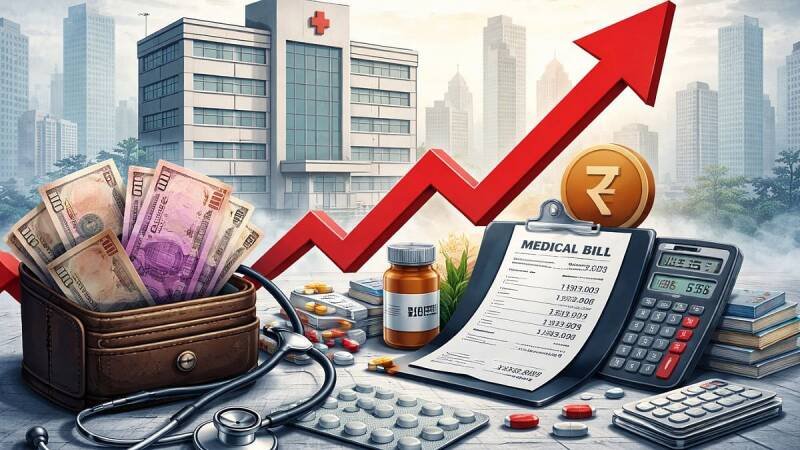
Mumbai residents are facing a harsh reality: healthcare is becoming increasingly expensive. Recent reports indicate that medical costs for major diseases have surged by up to 200%, with overall healthcare inflation reaching a staggering 20%. This dramatic increase is pushing many patients towards significant financial hardship.
The Skyrocketing Cost of Treatment
Imagine needing treatment for a serious illness only to discover that the price has doubled, or even tripled, compared to just a short time ago. This is the situation many Mumbaikars are now facing. The cost of everything from consultations and diagnostic tests to hospital stays and medications is on the rise.
Why This News Matters
This isn't just about numbers; it's about people's lives. When healthcare becomes unaffordable, people delay seeking treatment, leading to potentially worse health outcomes. This situation also puts immense pressure on families, forcing them to deplete their savings or even take on debt to cover medical expenses. In our opinion, this trend threatens to widen the gap between the rich and the poor, exacerbating existing inequalities in access to quality healthcare.
Our Analysis
Several factors are contributing to this alarming rise in healthcare costs:
* **Reliance on Private Healthcare:** Mumbai has a significant reliance on private healthcare providers. While these providers often offer higher-quality services and shorter waiting times, they also tend to charge significantly more than public hospitals.
* **Expensive Diagnostics:** Modern medical diagnostics, while essential for accurate diagnoses, are often costly. The increasing use of advanced imaging techniques and specialized laboratory tests adds to the overall expense of treatment.
* **Infrastructure Gaps:** Limited infrastructure in public healthcare forces many people to seek treatment in private facilities, driving up demand and, consequently, prices.
The Role of Health Insurance
While health insurance can help mitigate some of these costs, many people in Mumbai still lack adequate coverage. Even those with insurance may find that their policies have limitations, such as caps on coverage or exclusions for certain pre-existing conditions. The rising premiums of health insurance are also adding to the financial burden.
Future Outlook
The future of healthcare affordability in Mumbai remains uncertain. If current trends continue, more people will be priced out of quality medical care. However, there are potential solutions:
* **Strengthening Public Healthcare:** Investing in and improving the infrastructure of public hospitals and clinics can increase access to affordable healthcare for all.
* **Regulation of Private Healthcare Costs:** Implementing regulations to control pricing in the private healthcare sector could help curb excessive charges.
* **Promoting Health Insurance Coverage:** Encouraging wider adoption of health insurance through subsidies or awareness campaigns can provide financial protection to more people.
* **Focus on Preventive Care:** Emphasizing preventive healthcare measures can reduce the need for costly treatments down the line.
This could impact local economies, families, and the overall health of Mumbai's population. It is crucial for policymakers, healthcare providers, and individuals to work together to address this growing crisis and ensure that quality healthcare remains accessible and affordable for everyone. In our opinion, proactive measures are needed now to prevent a further deterioration of the situation. The government needs to step in and introduce some changes to help make healthcare accessible to the common man.