Mount Clemens Tackles Homelessness: A Deep Dive into Solutions and Future Impact
Mount Clemens is addressing homelessness and housing insecurity with a new committee. Learn about their goals, potential solutions, and the future outlook for the community.
Mount Clemens Takes Action on Homelessness and Housing Insecurity
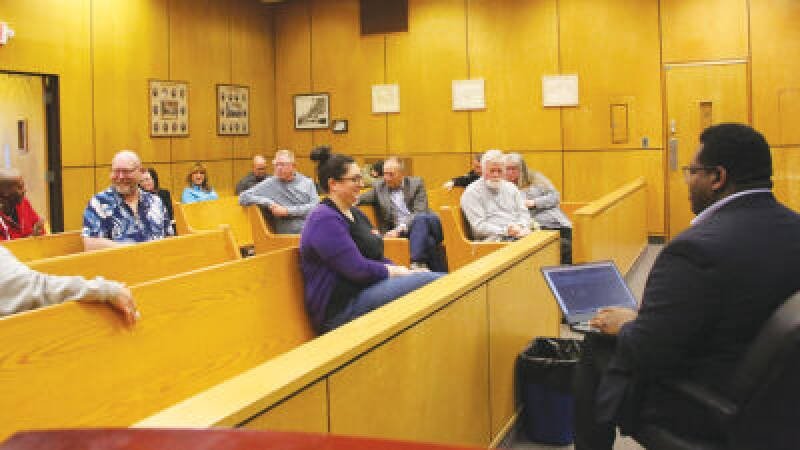
Mount Clemens, Michigan, like many communities across the nation, is grappling with the pressing issues of homelessness and housing insecurity. A newly formed committee is stepping up to find practical solutions and support those at risk of losing their homes.
The reality is, anyone can face unexpected financial hardship. Job loss, unexpected medical bills, or a sudden family crisis can quickly lead to an inability to pay rent or mortgage. This can spiral into housing insecurity and, in the worst-case scenario, homelessness.
The Challenge at Hand
Homelessness is not just a problem for individuals; it impacts the entire community. It strains local resources, affects public health, and can contribute to social instability. Addressing this issue effectively requires a multi-faceted approach, involving government, non-profit organizations, and community members.
Why This News Matters
This initiative in Mount Clemens is significant for several reasons:
- Community Well-being: Addressing homelessness improves the quality of life for everyone in the community.
- Economic Impact: Stable housing leads to a more productive workforce and reduces the burden on social services.
- Social Justice: Ensuring access to safe and affordable housing is a matter of basic human rights.
- Model for Other Cities: The solutions developed in Mount Clemens could serve as a blueprint for other communities facing similar challenges.
Our Analysis
In our opinion, the formation of this committee is a positive first step. However, the real work lies in developing and implementing effective strategies. The committee's success will depend on several key factors:
- Data-Driven Decision Making: Understanding the root causes of homelessness in Mount Clemens and identifying the specific needs of the at-risk population is crucial.
- Collaboration: Working closely with local non-profits, social service agencies, and housing providers will be essential to maximize resources and avoid duplication of efforts.
- Funding: Securing adequate funding for affordable housing initiatives, emergency rental assistance programs, and supportive services will be critical to long-term success.
- Community Support: Engaging the community in the process and fostering a sense of shared responsibility will be key to creating a supportive environment for those experiencing or at risk of homelessness.
This could impact local policy, as the committee's recommendations could influence future housing regulations and social service programs. It also places a spotlight on the ongoing housing crisis affecting many Michiganders.
Potential Solutions the Committee Might Explore
The committee could consider several evidence-based strategies to address homelessness and housing insecurity:
- Affordable Housing Development: Increasing the supply of affordable housing units through new construction, rehabilitation of existing properties, and rent subsidy programs.
- Emergency Rental Assistance: Providing short-term financial assistance to prevent evictions and help families stay in their homes.
- Supportive Services: Offering case management, job training, mental health services, and other supportive services to help individuals overcome barriers to housing stability.
- Homeless Prevention Programs: Implementing early intervention programs to identify and assist individuals at risk of becoming homeless.
- Rapid Re-housing: Quickly moving homeless individuals into permanent housing and providing ongoing support to ensure they remain stably housed.
Future Outlook
The long-term success of this initiative hinges on sustained commitment and a willingness to adapt strategies as needed. It's likely that the committee will face challenges, such as limited resources, bureaucratic hurdles, and community resistance to affordable housing development. However, with a collaborative approach and a focus on evidence-based solutions, Mount Clemens has the potential to make a significant difference in the lives of its most vulnerable residents.
Moving forward, it will be important to monitor the committee's progress and hold them accountable for achieving measurable results. Transparency and open communication with the community will be essential to building trust and ensuring that the initiative remains on track.
In conclusion, the formation of this committee is a positive sign that Mount Clemens is taking the issue of homelessness and housing insecurity seriously. While challenges remain, the potential benefits for the community are significant. We believe that by working together, Mount Clemens can create a more just and equitable community where everyone has access to safe and affordable housing.