Molotov Cocktail Thrown at Sam Altman's Home: What You Need to Know
A Molotov cocktail was allegedly thrown at OpenAI CEO Sam Altman's home. We break down the incident, its significance, and what it means for the future.



A Molotov cocktail was allegedly thrown at OpenAI CEO Sam Altman's home. We break down the incident, its significance, and what it means for the future.
According to reports, someone allegedly threw a Molotov cocktail at the home of Sam Altman, the CEO of OpenAI. OpenAI, the company behind ChatGPT and other powerful AI technologies, confirmed the incident. Details are still emerging, but this act of violence raises serious questions about security and the growing tensions surrounding the rapid development of artificial intelligence.

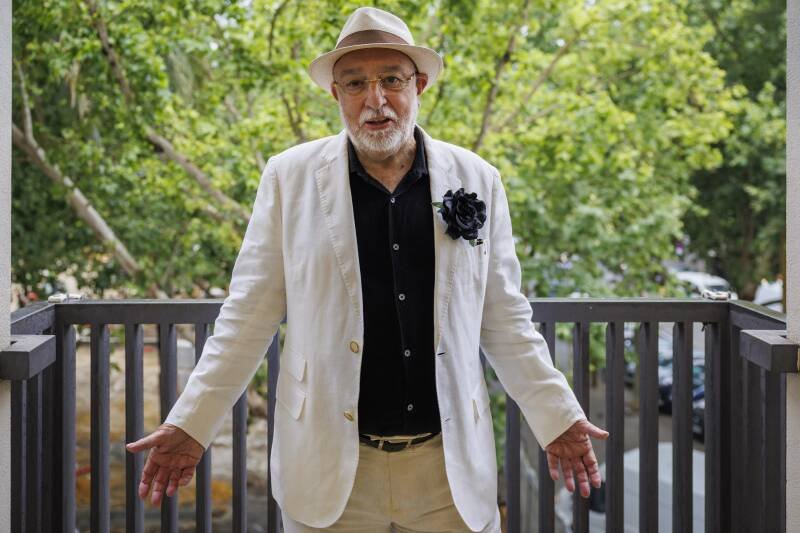
Image representing a Molotov cocktail.
This incident is significant for several reasons. First, it highlights the increasing security concerns surrounding prominent figures in the tech industry, particularly those involved in potentially transformative and controversial fields like artificial intelligence. Second, it underscores the passionate and sometimes volatile public discourse surrounding AI development. Some see AI as a powerful tool for good, while others fear its potential negative consequences, leading to heightened emotions and, in this case, allegedly, violence. Third, this event could trigger increased security measures for other tech leaders and OpenAI facilities.
In our opinion, this alleged attack is deeply concerning. While the details are still unfolding, the use of a Molotov cocktail represents a disturbing escalation of tensions. It's crucial to remember that violence is never the answer, regardless of differing opinions. The fact that this targetted the home of a CEO as prominent as Sam Altman might mean that he's seen as a representative of a technology that some people are afraid of. This isn't just about Altman himself; it's about the broader implications for innovation and the safety of individuals working to shape the future of technology.
The development of AI has sparked widespread debate. Concerns range from job displacement and algorithmic bias to the potential misuse of AI for malicious purposes. Some believe that AI poses an existential threat to humanity. While these concerns are valid and deserve careful consideration, resorting to violence is completely unacceptable and counterproductive. It serves only to stifle productive dialogue and create a climate of fear.
This incident will likely have several ramifications. We anticipate:
This could impact the pace and direction of AI development. OpenAI and other companies might become more cautious about publicly releasing new AI technologies, fearing potential backlash. It could also lead to greater investment in AI safety research and the development of safeguards to prevent misuse.
Moving forward, it's essential to foster open and constructive dialogue about the challenges and opportunities presented by AI. This includes addressing legitimate concerns, promoting transparency, and ensuring that AI is developed and deployed in a responsible and ethical manner. The best way to address concerns is through open debate, public discussion and democratic processes, not through violence and fear. We need to find common ground and work together to shape a future where AI benefits all of humanity.