MLB Sees Rise in Black Player Representation: Why It Matters
MLB reports a rare consecutive increase in the percentage of Black players. We analyze the significance, potential impact, and future outlook of this trend.
MLB Sees a Promising Uptick in Black Player Representation
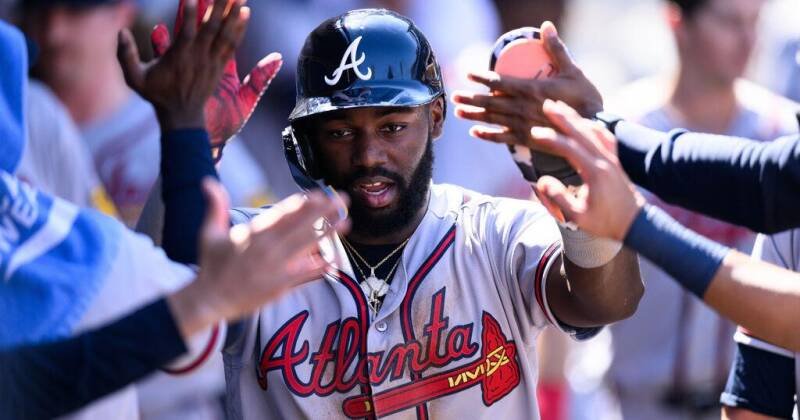
Major League Baseball (MLB) has announced a positive development: for the first time in at least two decades, the percentage of Black players on opening day rosters has increased for two consecutive years. This news, released Friday, signals a potential shift in a sport that has long grappled with issues of diversity and representation.
A Rare Positive Trend
While the specific percentage increase wasn't disclosed in the initial report, the significance lies in the consecutive nature of the increase. After years of decline, this upward trend offers a glimmer of hope for a more diverse and inclusive future for baseball. It suggests that efforts to recruit and develop Black players may be starting to bear fruit.
Why This News Matters
This news is significant on several fronts:
* **Representation Matters:** Seeing Black players on the field inspires young Black athletes and encourages them to pursue baseball. Increased representation can break down stereotypes and create more opportunities.
* **Game Enrichment:** Diversity brings different perspectives and styles of play to the game, enriching the overall experience for fans and players alike.
* **Social Impact:** Sports have a powerful influence on society. An MLB that reflects the diversity of its fan base sends a positive message about inclusivity and opportunity.
Our Analysis
The increase in Black player representation, while positive, must be viewed within a broader context. The percentage of Black players in MLB has been declining for decades. While a two-year increase is encouraging, it's crucial to understand the factors driving this trend.
Are there specific initiatives, like the RBI (Reviving Baseball in Inner Cities) program, that are contributing to this increase? Are MLB teams actively scouting and developing talent in underserved communities? Or is this a temporary fluctuation?
In our opinion, this positive trend needs to be sustained with continued, intentional effort. MLB needs to invest in programs that provide access to baseball for Black youth, offer quality coaching and mentorship, and create pathways to professional baseball.
It's also important to examine the pipeline. Are enough Black athletes participating in college baseball? Are they getting drafted at appropriate rates? Addressing these questions is vital for ensuring long-term representation.
Future Outlook
The future of Black player representation in MLB hinges on continued commitment and investment. Here are some key areas to watch:
* **MLB's Diversity Initiatives:** We need to see continued and expanded investment in programs like RBI and other initiatives that support Black baseball players.
* **Scouting and Development:** Teams must prioritize scouting and developing talent in diverse communities. This includes providing resources for coaching, equipment, and facilities.
* **Addressing Systemic Barriers:** MLB needs to actively address any systemic barriers that may prevent Black players from advancing in the sport.
* **Data Transparency:** Greater transparency in data related to race and player development would help track progress and identify areas for improvement.
This could impact not just the makeup of MLB teams but also the sport's popularity among Black communities. A more diverse MLB is a more vibrant and engaging MLB for everyone.
Ultimately, the goal should be a league where opportunities are truly equal and where talent from all backgrounds can thrive. The recent increase in Black player representation is a step in the right direction, but much work remains to be done. This is a marathon, not a sprint, and consistent effort is crucial for creating a more inclusive and representative future for baseball.