Middle East Conflict: Will It Hurt Ukraine's Support? - Analysis
Zelensky fears a long Middle East war could diminish U.S. support for Ukraine. Our analysis explores the potential impacts and future outlook.
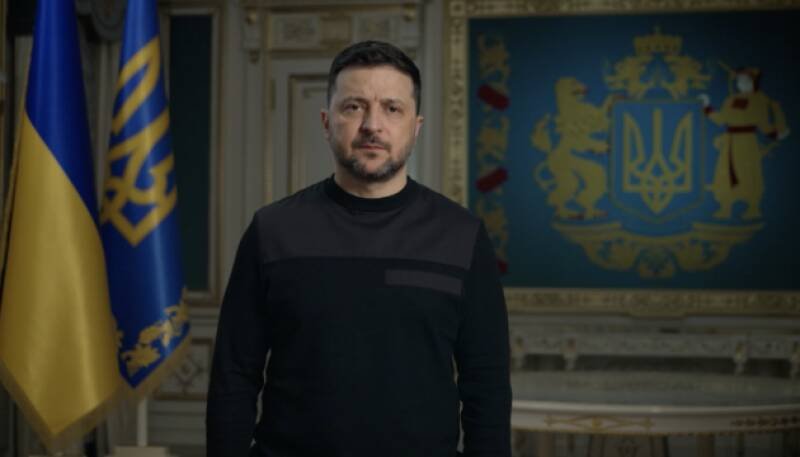



Zelensky fears a long Middle East war could diminish U.S. support for Ukraine. Our analysis explores the potential impacts and future outlook.
Ukrainian President Volodymyr Zelensky has voiced concerns that a protracted conflict in the Middle East, particularly involving the U.S., Israel, and Iran, could significantly erode crucial American support for Ukraine.
The current global landscape is complex. The U.S. is already heavily involved in supporting Ukraine in its fight against Russian aggression, both financially and militarily. Adding another major conflict in the Middle East stretches resources and attention, potentially forcing difficult choices.
This news is significant because it highlights the interconnectedness of global conflicts. A crisis in one region can have profound ripple effects elsewhere. Ukraine's reliance on Western, particularly U.S., aid makes it vulnerable to shifts in foreign policy priorities.
If U.S. support for Ukraine wanes, it could drastically impact Ukraine's ability to defend itself against Russia. This could change the course of the war, potentially leading to territorial losses and a less favorable outcome for Ukraine.
In our opinion, Zelensky's concerns are well-founded. U.S. foreign policy operates under constraints of both resources and political will. A prolonged and resource-intensive conflict in the Middle East would inevitably force the U.S. to re-evaluate its priorities. This could impact the level and type of aid it can provide to Ukraine.
The American public's attention span is also a factor. Continuous coverage of multiple conflicts can lead to "compassion fatigue," potentially reducing public support for foreign interventions. Furthermore, domestic political considerations within the U.S., particularly upcoming elections, could influence the level of aid provided to both regions.
The future outlook depends heavily on the duration and intensity of any potential conflict in the Middle East. If the conflict is short-lived and contained, the impact on Ukraine's support may be minimal. However, a protracted and escalating conflict could have significant consequences.
Ukraine will likely need to proactively engage with other allies, such as European Union member states and Canada, to secure alternative sources of support. Strengthening diplomatic ties and diversifying aid sources will be crucial to mitigating the risks posed by a potential shift in U.S. foreign policy.
Ukraine needs to continue to demonstrate the strategic importance of its defense to the West. Highlighting the potential consequences of a Russian victory, such as increased Russian aggression in Europe and a destabilized international order, is vital. By making the case for continued support in terms of broader Western security interests, Ukraine can increase the likelihood of maintaining vital aid flows, even in a challenging geopolitical environment.
This could impact the war in Ukraine drastically, potentially leading to further escalations.