Meta Trial Delayed? Judge Says No - What It Means for You
A Santa Fe judge rejected Meta's request to delay a crucial trial. We break down what this means for social media regulation, children's online safety, and the future of Meta.
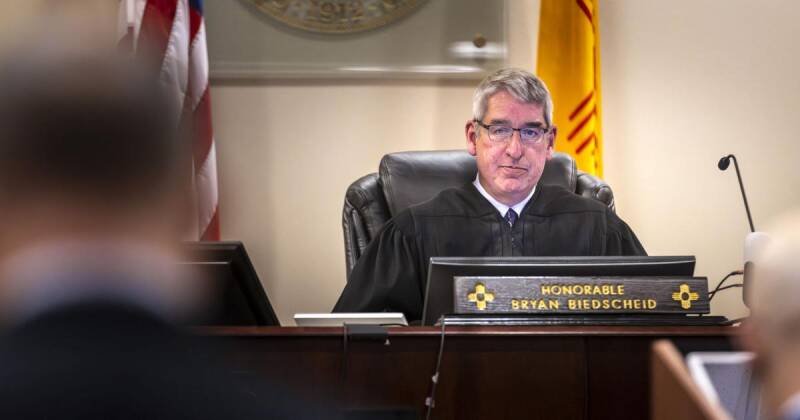



A Santa Fe judge rejected Meta's request to delay a crucial trial. We break down what this means for social media regulation, children's online safety, and the future of Meta.
A Santa Fe judge has denied Meta's motion to postpone a highly anticipated trial scheduled for May. This trial centers around allegations that Meta's social media platforms, particularly Instagram and Facebook, are designed in ways that are harmful to children. The Attorney General is expected to push for significant changes to how Meta operates, focusing on limiting the amount of time minors spend on these platforms.
This lawsuit represents a growing wave of concern regarding the impact of social media on young people's mental health and well-being. Critics argue that Meta's algorithms and features are intentionally designed to be addictive, leading to increased anxiety, depression, and other negative consequences for children and teenagers. The Attorney General aims to hold Meta accountable for these alleged harms and to implement safeguards that protect young users.
This case has far-reaching implications. If the Attorney General is successful, it could set a precedent for other states to pursue similar legal actions against Meta and other social media companies. Ultimately, this could lead to a fundamental shift in how these platforms operate, prioritizing user safety and well-being over engagement and profit.
The Attorney General's proposals for major changes to Meta's platforms could include:
In our opinion, the judge's decision to deny Meta's delay is a significant victory for those advocating for greater accountability from social media companies. It sends a clear message that these companies cannot simply delay or avoid addressing the concerns surrounding the impact of their platforms on young people. The Attorney General's planned push for major changes could fundamentally reshape the social media landscape.
Meta faces a difficult challenge. They must defend their current practices while also demonstrating a commitment to addressing the concerns raised by regulators and the public. A loss in this trial could have significant financial and reputational consequences for the company. This could impact their stock price and lead to decreased user trust. They'll need to convince the court (and the public) that they are proactively working to protect children online.
The outcome of this trial remains uncertain, but it's clear that the debate surrounding social media's impact on children is only going to intensify. Regardless of the verdict, we anticipate increased pressure on social media companies to implement stricter safety measures and to be more transparent about their practices. This case could be a turning point in the effort to create a safer and healthier online environment for young people.
This case is part of a broader movement towards increased regulation of social media companies. Governments around the world are grappling with how to balance the benefits of these platforms with the potential harms they can cause. This could eventually lead to new laws and regulations that fundamentally reshape the internet as we know it.
We will continue to monitor this case closely and provide updates as they become available. It's a critical moment for the future of social media and the well-being of our children.
























