Memory Champion Brain: Neuroscience Reveals Secrets
A deep dive into the brain of a memory champion, revealing the techniques and neural pathways behind extraordinary memory skills. Plus: Why this matters, expert analysis, and the future of memory enhancement.
Unlocking the Secrets of a Memory Champion's Brain
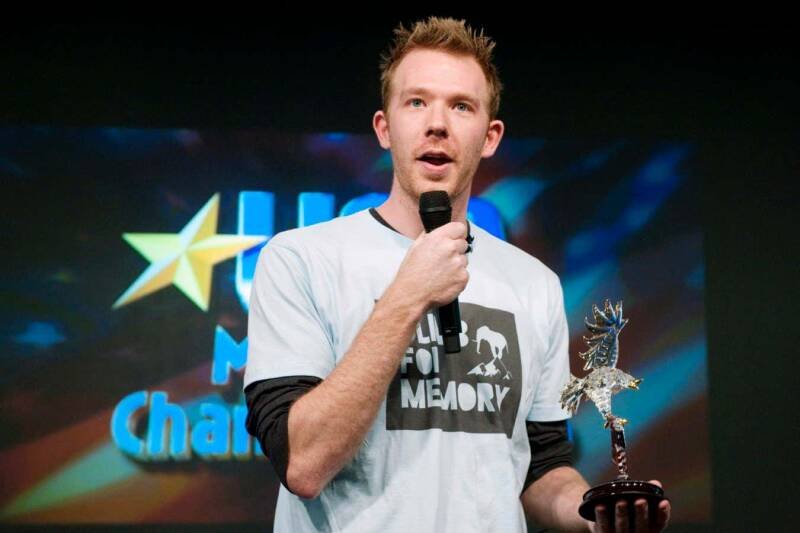
Ever wondered how some people can memorize seemingly impossible amounts of information? A new study offers unprecedented insight into the brain of Nelson Dellis, a six-time US memory champion. This research is shedding light on the techniques and neural pathways that enable such extraordinary feats of memory. We're going to break down the key findings and explore what they mean for all of us.
The Amazing Feats of Nelson Dellis
Nelson Dellis isn't your average person. He once memorized the order of a shuffled deck of playing cards in a mind-boggling 40.7 seconds! He also has memorized tens of thousands of digits of Pi. These are just a few examples that display his skills. His accomplishments demonstrate the incredible potential of the human brain when trained properly.
How Does He Do It?
Researchers used advanced brain imaging techniques to study Dellis's brain activity while he performed memory tasks. The study revealed that Dellis doesn't have a naturally superior brain structure. Instead, his exceptional memory skills are the result of specific training techniques and strategies.
Dellis primarily utilizes mnemonic devices, particularly the "memory palace" technique. This involves creating a vivid mental image of a familiar location and associating each item to be remembered with a specific point within that location. By mentally "walking" through the palace, Dellis can easily recall the items in order.
Why This News Matters
This research is significant because it demonstrates that exceptional memory skills are not necessarily innate. They can be developed through targeted training and the adoption of specific techniques. This offers hope and encouragement to anyone looking to improve their own memory and cognitive abilities.
Furthermore, understanding the neural mechanisms underlying these memory techniques could lead to the development of new and innovative memory enhancement strategies. This could be particularly beneficial for individuals with memory impairments, such as those with Alzheimer's disease or other forms of dementia.
Our Analysis
In our opinion, the most compelling aspect of this study is the evidence that brain plasticity plays a crucial role in memory performance. Brain plasticity refers to the brain's ability to reorganize itself by forming new neural connections throughout life. Dellis's brain has essentially rewired itself to become a memory powerhouse through consistent training and practice.
The "memory palace" technique is a prime example of how we can leverage our brains' natural spatial reasoning abilities to enhance memory. By associating information with specific locations, we create a more structured and memorable framework. In our opinion, more people should learn this skill.
The Role of Focused Attention
Beyond specific techniques, the study likely also highlights the importance of focused attention and concentration. Exceptional memory requires the ability to filter out distractions and maintain intense focus on the task at hand. Dellis's ability to concentrate for extended periods likely contributes significantly to his memory prowess.
Future Outlook
The field of memory research is rapidly advancing, with new technologies and techniques constantly being developed. We believe that future studies will delve even deeper into the neural mechanisms underlying memory and explore the potential of brain stimulation and other interventions to enhance cognitive function. This could impact many people.
Specifically, we anticipate further research on:
- The long-term effects of memory training on brain structure and function.
- The potential of personalized memory training programs tailored to individual learning styles and cognitive strengths.
- The application of memory techniques to improve performance in various domains, such as education, business, and healthcare.
Ultimately, understanding the secrets of a memory champion's brain could unlock new possibilities for cognitive enhancement and improve the lives of millions. This is just the beginning of our understanding of memory.