Man Shares Water with Thirsty Squirrel: Why It Matters
A man's act of kindness to a thirsty squirrel in Arizona goes viral. Discover why this heartwarming story resonates and what it says about our relationship with nature.
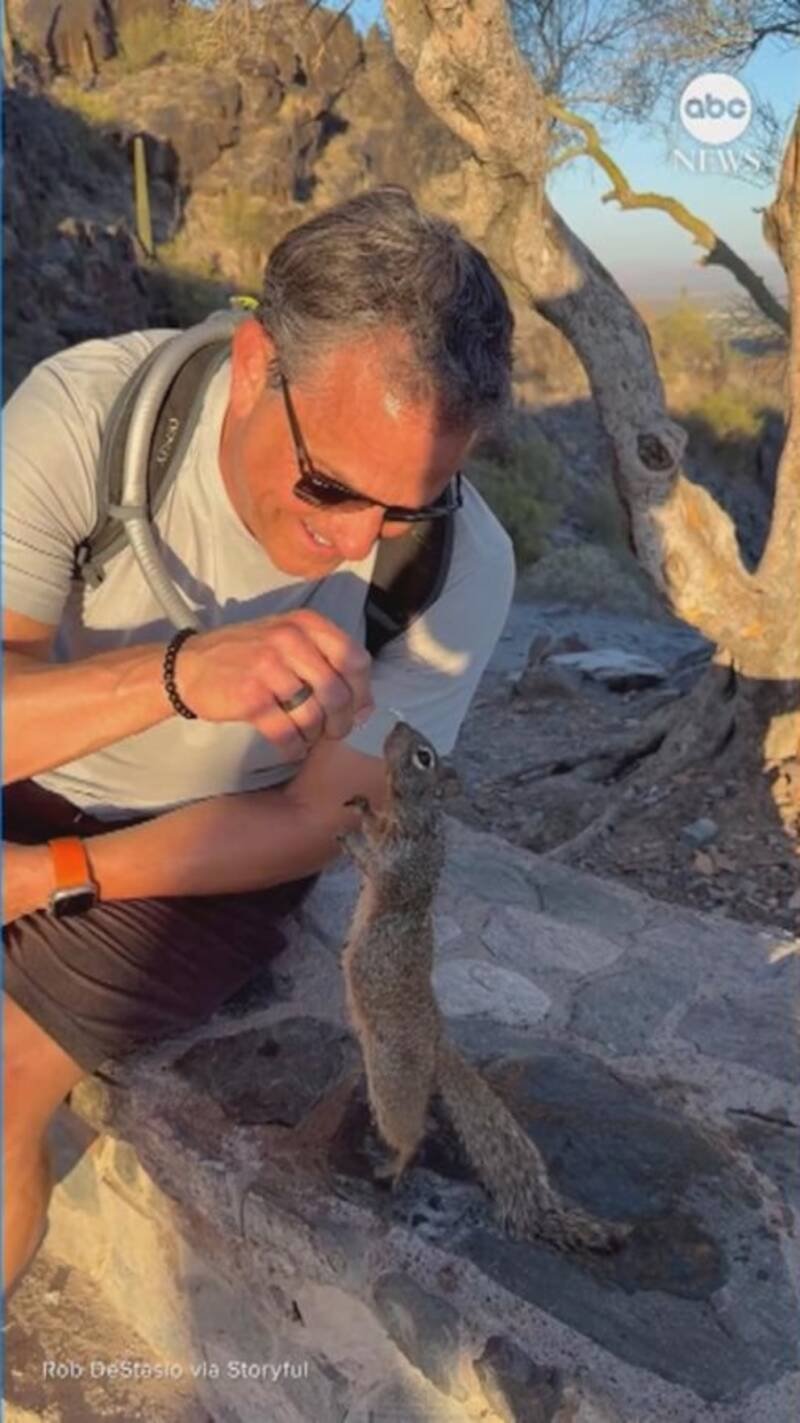



A man's act of kindness to a thirsty squirrel in Arizona goes viral. Discover why this heartwarming story resonates and what it says about our relationship with nature.
A heartwarming video has surfaced from Phoenix, Arizona, showing a man sharing his water with a visibly thirsty squirrel. The short clip, quickly gaining traction online, depicts the man holding a water bottle as the squirrel eagerly laps up the refreshing liquid. The simple act of kindness has resonated with viewers across the globe, reminding us of the importance of compassion and our connection with the natural world.
The video, initially shared on social media, shows the man, identified by some sources as a hiker, encountering the squirrel during his outing. The squirrel, seemingly dehydrated in the Arizona heat, approached the man without fear. Recognizing the animal's distress, the man offered his water bottle. The squirrel readily accepted, drinking heartily from the bottle with tiny paws gripping the side.
This story, while seemingly small, has a significant impact. It serves as a powerful reminder that even small acts of kindness can make a big difference. In a world often dominated by negative news, these moments of compassion offer a glimmer of hope and inspire us to be more considerate of the creatures around us. It highlights the importance of being aware of animals, especially in harsh environments like the Arizona desert, where access to water can be scarce.
In our opinion, the video's popularity speaks volumes about our collective desire for connection and empathy. It taps into a deep-seated appreciation for nature and the innocence of animals. The squirrel's trust in the man is particularly touching, suggesting a breakdown of perceived barriers between humans and wildlife. This event also underlines the impact of environmental conditions on wildlife. Arizona, known for its arid climate, presents challenges for animals seeking hydration. This instance reminds us of our role in being stewards of the environment and assisting wildlife when possible.
Access to fresh water is crucial for the survival of all animals, especially in arid climates. Dehydration can lead to serious health problems and even death. This incident highlights the importance of providing water sources for wildlife, particularly during periods of drought or extreme heat. Simple actions, such as placing a shallow dish of water in your yard, can make a significant difference.
This viral video could impact how people perceive their interactions with wildlife. Perhaps it will inspire more people to be mindful of animals in need and to offer assistance when safe and appropriate. Increased awareness of the challenges faced by wildlife in arid environments might lead to more community-based initiatives to provide water sources and support conservation efforts. It could also encourage more responsible tourism and hiking practices, with individuals carrying extra water to share with animals in need. This type of positive reinforcement, amplified through social media, could lead to a more compassionate and sustainable relationship between humans and animals.
The rapid spread of this video demonstrates the power of social media in disseminating positive messages and fostering empathy. These stories remind us that small acts of kindness can have a ripple effect, inspiring others to do the same. This is a hopeful sign, indicating that people are eager to share and celebrate positive interactions between humans and animals. Going forward, we can expect to see more of these heartwarming stories circulating online, further strengthening our connection to the natural world.
Ultimately, this simple act of sharing water serves as a reminder that we are all interconnected and that even the smallest gestures of kindness can make a significant difference in the lives of others, regardless of species.
























