Malaysia Boosts Energy Security: A Deep Dive into the Nation's Energy Strategy
Explore Malaysia's efforts to strengthen its national energy mix for electricity security amidst climate change. Understand the implications and future outlook.



Explore Malaysia's efforts to strengthen its national energy mix for electricity security amidst climate change. Understand the implications and future outlook.
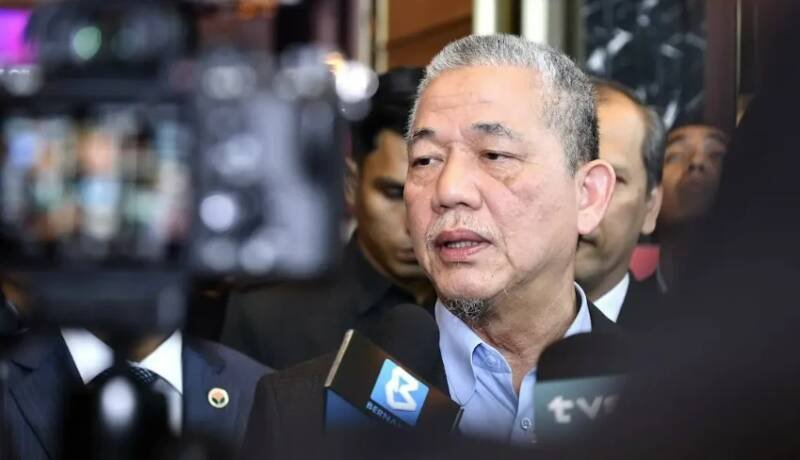
Malaysia is taking decisive steps to bolster its national energy supply in response to increasingly unpredictable weather patterns. Deputy Prime Minister Datuk Seri Fadillah Yusof recently announced the government's intensified efforts to diversify the nation's energy mix, prioritizing electricity supply security. This proactive approach aims to mitigate the impact of extreme weather events on existing energy resources.
Climate change is no longer a distant threat; it's impacting energy production worldwide. Malaysia, with its reliance on specific energy sources, is particularly vulnerable. Extreme weather can disrupt supply chains, damage infrastructure, and reduce the efficiency of power generation. The government recognizes the urgent need to adapt and future-proof the nation's energy infrastructure.
This news is crucial because energy security is fundamental to a stable economy and a thriving society. A reliable electricity supply powers homes, businesses, and critical infrastructure. Strengthening the energy mix will insulate Malaysia from the shocks of climate change and volatile global energy markets. This initiative has far-reaching implications for the country's economic growth, environmental sustainability, and overall resilience.
The focus on a diversified energy mix isn't just about addressing current challenges; it's about building a sustainable energy future. Investing in renewable energy sources, improving grid infrastructure, and promoting energy efficiency will create a more resilient and environmentally friendly energy sector for generations to come.
In our opinion, Malaysia's proactive stance on energy security is commendable. By diversifying its energy sources, the country is reducing its dependence on fossil fuels and embracing a more sustainable path. This strategic move could position Malaysia as a leader in Southeast Asia in renewable energy adoption. However, successful implementation will require careful planning, significant investment, and strong collaboration between the government, private sector, and local communities.
Diversifying the energy mix presents both challenges and opportunities. Integrating renewable energy sources into the grid requires upgrades to existing infrastructure and the development of new technologies. It also requires robust policies and incentives to encourage private sector investment. At the same time, it creates opportunities for innovation, job creation, and economic growth in the renewable energy sector.
The future of Malaysia's energy sector hinges on its ability to successfully implement its diversification strategy. We anticipate increased investment in renewable energy projects, such as solar, wind, and biomass. Furthermore, improvements to the national grid will be critical to ensure the reliable transmission of electricity from diverse sources. This could impact energy prices in the long run as well as create new job opportunities.
Malaysia's efforts to strengthen its energy security could serve as a model for other countries in Southeast Asia facing similar challenges. A successful transition to a diversified energy mix could inspire regional cooperation and accelerate the adoption of renewable energy across the ASEAN region.
























