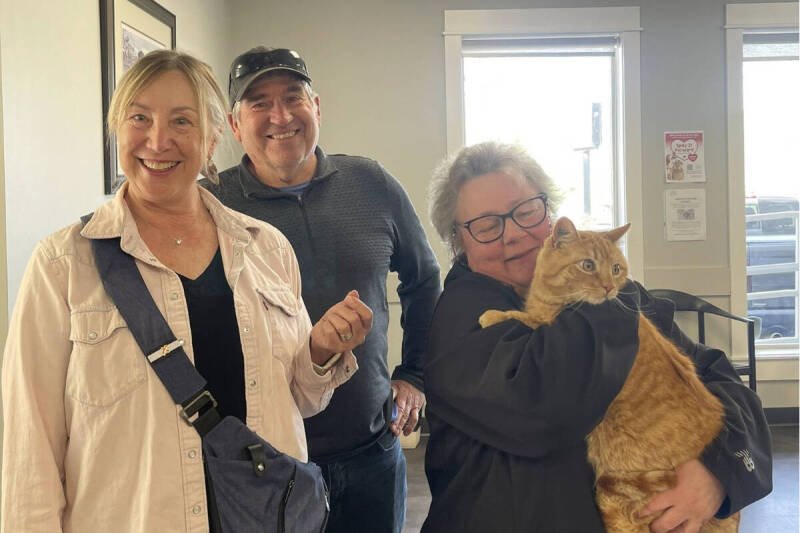
Lost Cat Reunited After 2 Years: The Power of Pet Identification
A Vernon, BC veterinarian clinic reunited a cat with its owner after 2 years thanks to a tattoo. Learn why pet identification is crucial and how this heartwarming story impacts pet ownership.
Lost and Found: Vernon Vet Clinic Reunites Cat with Owner After Two Years!
In a heartwarming story from Vernon, British Columbia, a local veterinarian clinic has reunited a cat with its owner after a staggering two-year separation. This remarkable reunion highlights the critical importance of pet identification and serves as a powerful reminder to all pet owners to take proactive steps to protect their furry friends.
The Long Road Home
The cat, whose name has not been released, was brought into the clinic as a stray. Luckily, a staff member noticed a tattoo inside the cat's ear. This seemingly small detail proved to be the key to unlocking the mystery of the missing feline. Using the tattoo registration, the clinic was able to track down the owner, who was understandably overjoyed to be reunited with their long-lost companion.
While the details of the cat's disappearance remain unclear, the story underscores the unpredictable nature of pet ownership and the potential for animals to wander off or become lost.
Why This News Matters
This isn't just a feel-good story; it's a call to action for pet owners. This reunion emphasizes the critical need for proactive pet identification. While microchipping is commonly promoted, this case highlights that it isn't the only option. Tattoos, though less frequently discussed, can be a highly effective method for identifying lost pets.
The story demonstrates that even after a long period of absence, hope remains for reuniting with a lost pet. This incident also brings awareness to the valuable work that veterinary clinics do within their communities. They are on the front lines for animal welfare and often go above and beyond in assisting lost or injured animals.
Our Analysis
In our opinion, this story provides an excellent opportunity to re-evaluate our approach to pet safety. While microchips are fantastic and often the first line of defense, the success of the tattoo in this case illustrates the importance of having multiple layers of identification. The more readily a pet can be identified, the higher the chances of a swift and happy reunion.
This story may impact pet adoption agencies and breeders by encouraging them to include tattoos as an additional form of identification when registering new pets. We believe that by normalizing the practice of pet tattooing, more animals can be quickly and efficiently returned to their owners.
Future Outlook
Moving forward, we anticipate an increased awareness of pet identification options, especially tattooing, and that more pet owners will be proactive in employing multiple identification methods. Education will be key in promoting the adoption of various identification techniques. Campaigns highlighting the benefits of both microchipping and tattooing will be valuable to ensuring that lost pets are promptly reunited with their families.
The Role of Technology
Technological advancements may also play a role in improving pet identification. For example, smartphone apps that allow users to scan pet tattoos and access registration information could streamline the reunion process. Furthermore, enhanced databases that integrate various identification methods, like microchips and tattoos, would further increase the effectiveness of pet recovery efforts.
Responsible Pet Ownership
Ultimately, this story is a testament to the importance of responsible pet ownership. By taking the necessary steps to identify our pets, we can significantly increase the likelihood of their safe return should they ever become lost. It’s a reminder that being a pet owner is a responsibility and one that should be taken very seriously.
This could impact the way lost and found pets are managed across many organizations.