London Palestine Action Protest: Mass Arrests and the Future of Activism
Hundreds arrested at London protest after Palestine Action ban. Understand the implications, analysis, and future outlook of this controversial event.



Hundreds arrested at London protest after Palestine Action ban. Understand the implications, analysis, and future outlook of this controversial event.
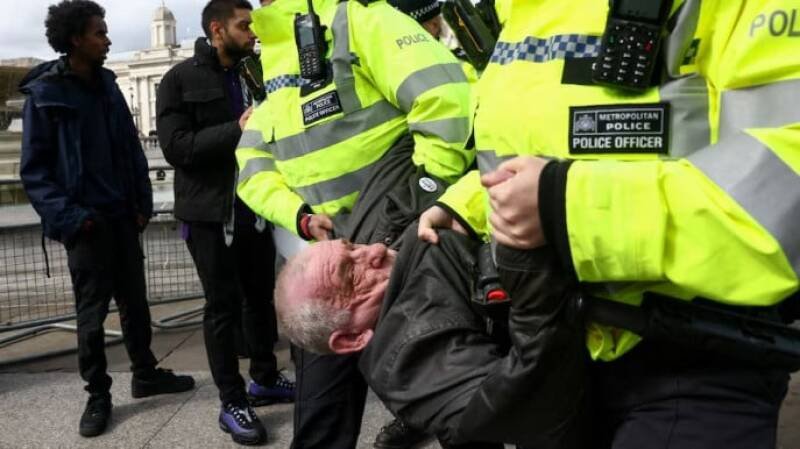
London’s Metropolitan Police have reported arresting 523 people at a protest following the ban of Palestine Action, a group advocating for direct action against Israeli-linked businesses. The arrests were made for allegedly showing support for a "proscribed organisation," according to a post on X (formerly Twitter) by the Metropolitan Police. This incident has sparked significant debate about freedom of speech, the right to protest, and the UK's approach to proscribed organizations.
The protest took place in London and drew a large crowd. The specific location and duration of the protest have not been widely reported but it was organised in response to the recent proscription of Palestine Action, meaning it is now illegal in the UK to support the organisation. People who publicly show support for the organisation, including displaying flags or symbols, could face prosecution.
The Metropolitan Police stated that the arrests were made due to individuals demonstrating support for a proscribed organisation. Details surrounding the specifics of that alleged support, and the evidence used to justify each arrest, are still emerging. The sheer number of arrests has drawn criticism from human rights groups and activists, with many questioning whether the police response was proportionate.
This event is significant for several reasons:
In our opinion, the sheer scale of the arrests warrants careful scrutiny. While the police have a duty to enforce the law, the potential for chilling effects on legitimate protest and free expression is undeniable. It is crucial that the legal definition of "support" for a proscribed organisation is clearly defined and narrowly applied to avoid unjustly targeting individuals exercising their democratic rights.
The decision to proscribe Palestine Action is itself a controversial one. While the group has engaged in direct action, including property damage, proponents argue that their actions are a legitimate form of protest against companies complicit in human rights abuses. Critics argue that their methods cross the line into illegal activity and intimidation. This debate is central to understanding the context of the protest and the subsequent arrests.
This event will likely have several significant impacts:
This incident serves as a stark reminder of the delicate balance between national security concerns, the enforcement of the law, and the protection of fundamental democratic rights. In our opinion, a thorough and impartial review of the events is essential to ensure that the principles of justice and freedom of expression are upheld.
This could impact the UK's relations with Israel. Depending on how the investigation proceeds and the rhetoric surrounding it, it has the potential to either solidify or strain the existing political relationship.
It will be essential to monitor the situation closely and to engage in informed and respectful dialogue about the complexities of the issues involved.