Lee County Drug Court Success: A Model for Rehabilitation
Learn about the success of the Lee County Drug Court, an innovative program helping non-violent offenders overcome addiction. Our analysis explores its impact and future potential.



Learn about the success of the Lee County Drug Court, an innovative program helping non-violent offenders overcome addiction. Our analysis explores its impact and future potential.
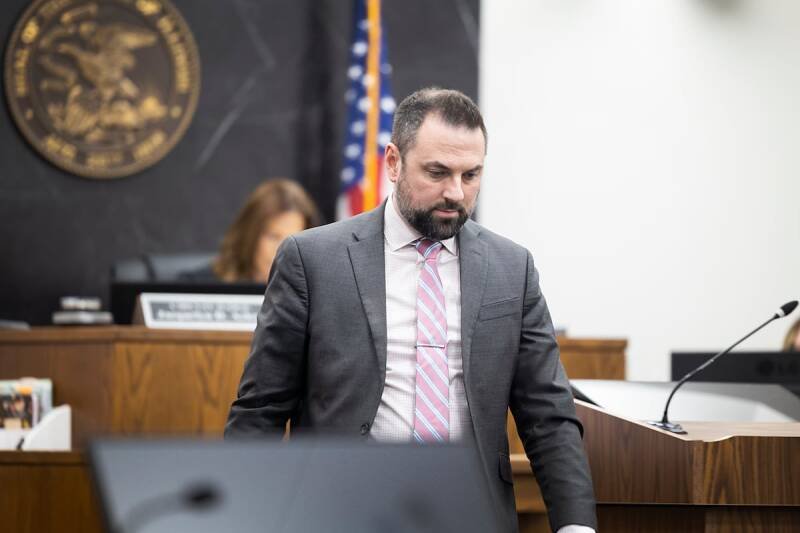
In a recent episode of Talk-Line, a Shaw Local Radio podcast, host Brandon Clark interviewed Lee County State's Attorney Charles Boonstra. The conversation centered around the remarkable success of the Lee County Drug Court, a program designed to rehabilitate non-violent offenders struggling with addiction.
The Lee County Drug Court is an intensive, court-supervised rehabilitation program. It offers a pathway to recovery for non-violent offenders whose crimes are often rooted in substance abuse. Instead of traditional incarceration, participants undergo rigorous treatment, frequent drug testing, and regular court appearances.
This approach allows individuals to address the underlying causes of their criminal behavior – their addiction – and build a foundation for a healthier, crime-free life.
The success of programs like the Lee County Drug Court has significant implications for criminal justice reform. It highlights the potential of alternative sentencing models that prioritize rehabilitation over punishment for non-violent offenders. By addressing the root causes of crime, these programs offer a more humane and potentially more effective approach to reducing recidivism.
This also matters because addiction impacts families and communities. Programs like this aim to restore individuals to productive members of society, rather than cycling them through the prison system. A rehabilitated individual can contribute to the economy, support their family, and give back to the community.
In our opinion, the Lee County Drug Court represents a crucial step in the right direction. The traditional "tough on crime" approach often fails to address the underlying issues that drive criminal behavior, particularly when addiction is involved. This can lead to a revolving door of arrest, incarceration, and release, with little progress made in breaking the cycle of addiction and crime.
The Drug Court model, however, offers a more holistic and compassionate approach. By providing intensive treatment and support, it empowers individuals to overcome their addiction and rebuild their lives. The fact that State's Attorney Boonstra is highlighting the program's success suggests a commitment to evidence-based solutions and a willingness to challenge conventional approaches to criminal justice.
This could impact the local community in a positive way by reducing crime rates in the long term. A reduction in recidivism also leads to savings in tax payer dollars, as the costs associated with repeated incarceration are avoided.
The future of programs like the Lee County Drug Court looks promising. As more communities recognize the limitations of traditional incarceration and the potential benefits of rehabilitation, we expect to see increased investment in alternative sentencing models.
However, sustainable funding and community support are essential for the long-term success of these programs. Continued collaboration between law enforcement, treatment providers, and community organizations will be crucial in ensuring that individuals receive the comprehensive support they need to overcome addiction and rebuild their lives.
Moving forward, it will be important to track the long-term outcomes of participants in the Lee County Drug Court. By gathering data on recidivism rates, employment status, and overall well-being, we can gain a better understanding of the program's effectiveness and identify areas for improvement. This data can also be used to advocate for the expansion of similar programs in other communities.
Ultimately, the success of the Lee County Drug Court serves as a reminder that rehabilitation is possible, and that investing in treatment can yield significant returns – not only for individuals struggling with addiction, but also for the communities they live in. In our opinion, it showcases an approach that prioritizes human dignity while also making communities safer.