Language Policy Clash: Stalin vs. Pradhan on India's 3-Language Formula
Explore the ongoing debate between Stalin and Pradhan over India's three-language formula, its implications for regional languages, and the potential impact on national unity.



Explore the ongoing debate between Stalin and Pradhan over India's three-language formula, its implications for regional languages, and the potential impact on national unity.
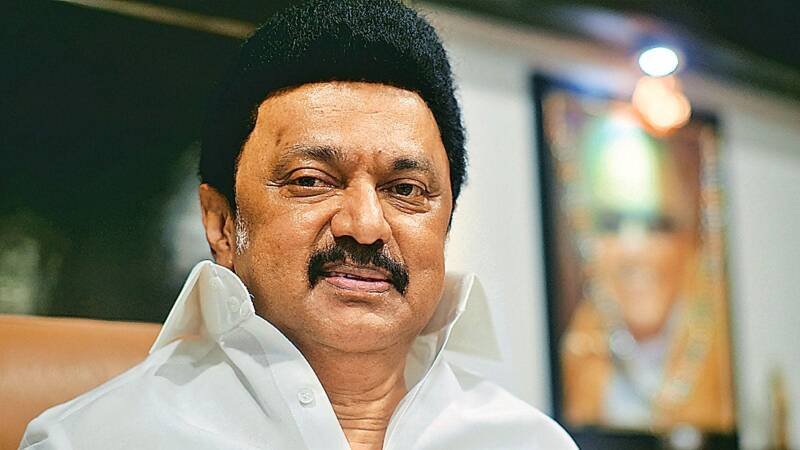
A heated debate has erupted between Tamil Nadu Chief Minister MK Stalin and Union Education Minister Dharmendra Pradhan regarding the three-language formula in India's National Education Policy (NEP) 2020. Stalin accuses the central government of using the policy to promote Hindi, while Pradhan defends it as a way to foster multilingualism and national unity.
At the heart of the disagreement is the perception that the NEP 2020, in its effort to promote Indian languages, is actually pushing a Hindi-centric agenda. Stalin argues that the BJP-led NDA government is subtly enforcing Hindi on non-Hindi speaking states. He views this as a form of "linguistic imposition," undermining the rich diversity of regional languages.
Pradhan, on the other hand, frames the policy as "linguistic liberation," suggesting it provides opportunities for students to learn more languages and broaden their cultural horizons. The three-language formula generally suggests that students in non-Hindi speaking states should learn Hindi as a third language, alongside their regional language and English.
This isn't just a political squabble; it touches upon sensitive issues of cultural identity, federalism, and educational equity. The debate surrounding the three-language formula has been a recurring theme in Indian politics, particularly in South India, where there's strong resistance to what is perceived as Hindi dominance. A poorly implemented language policy can lead to social unrest and feelings of alienation. This could impact national unity, especially if people feel their linguistic heritage is under threat.
The outcome of this debate will shape the future of education in India. If the central government pushes forward without addressing regional concerns, it risks creating further divisions. Alternatively, a more inclusive and collaborative approach could strengthen national unity while preserving linguistic diversity.
In our opinion, Stalin's concerns about "linguistic imposition" are valid. While promoting multilingualism is a laudable goal, it should not come at the expense of regional languages. The central government needs to be more sensitive to the concerns of states like Tamil Nadu, where there's a strong cultural and linguistic identity.
The NEP 2020, in its current form, could inadvertently create a system where students in non-Hindi speaking states are at a disadvantage. They may face pressure to learn Hindi, potentially diverting resources away from other important subjects. A more flexible approach, that allows states to tailor the three-language formula to their specific needs, would be more beneficial.
The debate over the three-language formula is likely to continue. The central government will need to address the concerns raised by states like Tamil Nadu and find a way to balance the promotion of Hindi with the preservation of regional languages.
Moving forward, we anticipate increased pressure on the central government to revise the NEP 2020 to accommodate regional concerns. The success of the policy will depend on its ability to foster multilingualism without creating a sense of linguistic hegemony.
Ultimately, the goal should be to create an education system that celebrates India's linguistic diversity and empowers all students to succeed, regardless of their mother tongue. This requires a collaborative and inclusive approach that respects the unique cultural identities of each state.