Lake Louise Pile Burning: Protecting the Community & What It Means
Learn about the controlled burns in Lake Louise, why they're happening, and how they're protecting the community from wildfires. Understand the future outlook and our analysis.



Learn about the controlled burns in Lake Louise, why they're happening, and how they're protecting the community from wildfires. Understand the future outlook and our analysis.
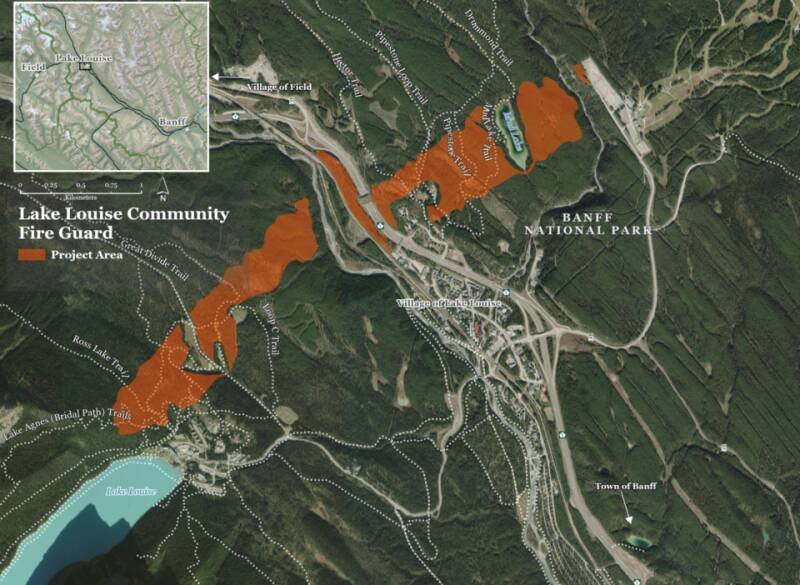
Residents and travelers near Lake Louise might see flames and smoke for the next few days. Don't be alarmed! Fire crews are conducting controlled burns of piled timber, a crucial step in protecting the community from potential wildfires.
According to Parks Canada, these controlled burns will be visible day and night from various vantage points including the Trans-Canada Highway, railway tracks, the Lake Louise operations centre, and the pedestrian overpass to Harry’s Hill.
Pile burning is a fire management technique where cut trees and other forest debris are gathered into piles and then intentionally burned under carefully controlled conditions. This helps reduce the amount of flammable material that could fuel a larger, uncontrolled wildfire.
Autumn and winter provide ideal conditions for controlled burns. Cooler temperatures and higher humidity levels help prevent the fire from spreading beyond the designated area. Firefighters closely monitor weather conditions and the burn's progress to ensure safety.
This news is important for several reasons. Firstly, it demonstrates proactive measures are being taken to protect the Lake Louise community and valuable infrastructure from the devastating effects of wildfires. Secondly, understanding the purpose of these burns helps alleviate public concern when smoke and flames are visible. Finally, it highlights the ongoing commitment to environmental stewardship and fire prevention in national parks.
In our opinion, this proactive approach to wildfire management is commendable. With increasingly frequent and intense wildfires globally, preventative measures like pile burning are essential for safeguarding communities and ecosystems. The transparency of Parks Canada in communicating these activities to the public is also crucial. This builds trust and understanding, especially important when dealing with something as potentially alarming as visible flames.
However, it's important to acknowledge that even controlled burns can carry risks. Factors like unexpected wind shifts could potentially lead to unintended spread, although firefighters are highly trained to mitigate such risks. The environmental impact of burning, even in a controlled manner, is another consideration. While the short-term impact includes smoke and ash, the long-term benefits of reducing wildfire risk likely outweigh these drawbacks. Furthermore, the ash returns nutrients to the soil.
We can expect to see more controlled burns and other fire management strategies implemented in the future, especially in areas prone to wildfires. Climate change is exacerbating wildfire risks, making proactive management even more critical. The success of these efforts will depend on continued investment in fire prevention, careful planning, and ongoing monitoring of forest conditions.
This could impact future tourism as regions adapt to climate change. Visitors may experience more controlled burns but also be reassured that proactive measures are in place to protect the areas they love. It's crucial that Park services communicate transparently about these measures.
Looking ahead, research into alternative methods of fuel reduction, such as mechanical removal or prescribed grazing, could become more prominent. A diversified approach to fire management will likely be the most effective strategy in the long run.