KP CM Meets Tribal Leaders: Seeking Stability in Bajaur
Khyber Pakhtunkhwa's Chief Minister engages with tribal elders to address security concerns and foster lasting peace in Bajaur. Learn about the implications and future outlook.
KP CM Engages Tribal Leaders in Bajaur to Strengthen Stability
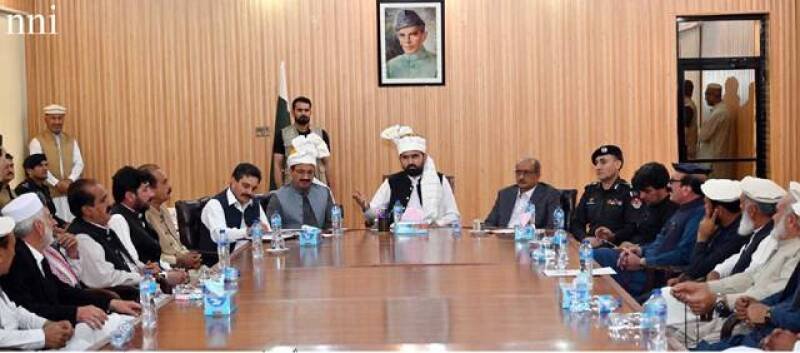
Chief Minister of Khyber Pakhtunkhwa (KP), Sohail Afridi, recently held a crucial meeting with prominent leaders of a national peace jirga in Bajaur. The focus of the discussion was the prevailing security situation in the region and collaborative efforts aimed at establishing enduring peace. This meeting highlights the government's commitment to addressing the challenges in this sensitive area of Pakistan.
The Meeting's Objectives
The core purpose of the meeting was to discuss and strategize on ways to improve the security landscape in Bajaur. By engaging directly with tribal elders, the Chief Minister sought to leverage their influence and understanding of the local dynamics. Peace jirgas, traditional councils of elders, play a vital role in resolving disputes and maintaining order within tribal communities.
Specifically, the talks likely centered around:
- Identifying sources of instability and potential threats.
- Strengthening cooperation between local communities and government authorities.
- Promoting dialogue and reconciliation among different groups.
- Supporting initiatives that promote economic development and social well-being.
Why This News Matters
The meeting between the KP Chief Minister and the Bajaur peace jirga leaders is significant for several reasons. First, it underscores the government's recognition of the importance of engaging with local communities in addressing security challenges. Second, it acknowledges the crucial role that tribal elders play in maintaining peace and order in the region. Bajaur, being a part of the formerly Federally Administered Tribal Areas (FATA), has historically faced security issues, and stability there is vital for the overall security of Pakistan. Any instability in Bajaur can have cascading effects on neighboring regions.
Our Analysis
In our opinion, this meeting is a positive step towards building trust and fostering cooperation between the government and local communities. The effectiveness of government policies hinges on the buy-in and active participation of the people they are designed to serve. By directly consulting with tribal elders, the Chief Minister is demonstrating a commitment to inclusive governance.
However, lasting peace requires more than just dialogue. It demands concrete actions to address the root causes of instability, such as poverty, lack of education, and unemployment. Sustainable solutions need to be developed and implemented to improve the living standards of the local population. This could impact the future trajectory of Bajaur's development significantly.
Potential Challenges
Several challenges remain in achieving lasting peace in Bajaur. These include the presence of militant groups, the proliferation of weapons, and the influence of external actors. Moreover, deep-seated grievances and historical tensions among different communities can also hinder reconciliation efforts.
Future Outlook
The future of peace and stability in Bajaur hinges on the successful implementation of the strategies discussed during the meeting. Continued engagement between the government and tribal leaders, coupled with concrete measures to address socio-economic issues, is essential. In our opinion, a multi-faceted approach that combines security measures with development initiatives is the key to achieving long-term stability.
Looking ahead, we anticipate:
- Increased government investment in infrastructure and social services in Bajaur.
- Strengthened law enforcement and counter-terrorism efforts.
- Enhanced community participation in peace-building initiatives.
- Ongoing dialogue and reconciliation among different groups.
The situation in Bajaur remains complex and requires sustained attention and commitment from all stakeholders. The recent meeting represents a positive step, but much work remains to be done to achieve lasting peace and prosperity in the region.