Kilauea Volcano Eruption Forecast: What You Need to Know
A potential eruption is forecast for Kilauea volcano. Stay informed about the possible impacts, timelines, and what it means for the Big Island.



A potential eruption is forecast for Kilauea volcano. Stay informed about the possible impacts, timelines, and what it means for the Big Island.
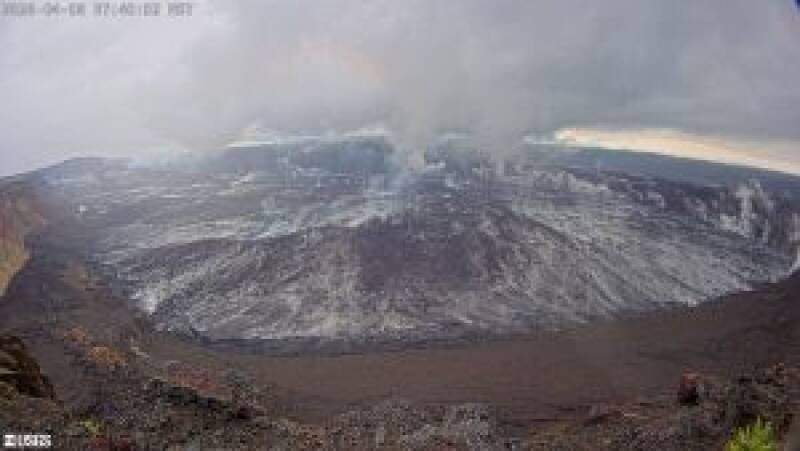
Kilauea volcano on Hawai'i Island is currently exhibiting a pause in precursory activity, but don't let that fool you. The US Geological Survey (USGS) is forecasting a potential episodic fountaining eruption could occur anytime between today, April 8th, and April 15th.
A fountaining eruption isn't your typical explosive eruption. Instead, it involves lava being ejected into the air like a fountain. These episodes are usually relatively short-lived, typically lasting less than 12 hours. However, the resulting ash plume can linger for a longer period, depending on the wind conditions and the prevailing weather patterns.
In simpler terms, imagine a fiery geyser of lava shooting up into the sky. That’s essentially what a fountaining eruption looks like. The height and intensity can vary, but even a relatively small fountain can pose hazards.
Kilauea is one of the most active volcanoes in the world. It's constantly monitored by the USGS Hawaiian Volcano Observatory (HVO), who are keeping a close eye on any changes in activity. These changes can include increased ground deformation, changes in gas emissions, and shifts in seismic activity. Any one of these can be a precursor to an eruption.
A potential eruption, even a relatively short-lived one, carries several important implications:
The USGS’s forecast window provides a crucial heads-up to residents and visitors. While the pause in precursory activity might seem reassuring, it doesn't negate the possibility of an eruption within the stated timeframe. In our opinion, it's best to be prepared and stay informed.
This particular forecast highlights the unpredictable nature of volcanic activity. Even with advanced monitoring technology, predicting the exact timing and intensity of an eruption remains a challenge. The USGS’s ability to narrow down the timeframe provides some certainty, but a degree of uncertainty will always remain.
The situation at Kilauea remains dynamic. The USGS-HVO will continue to closely monitor the volcano and provide updates as they become available. The key to minimizing potential impacts is preparedness and access to timely information.
This could impact the daily lives of people living nearby. It is very important that people heed advice from authorities to keep themselves safe.
Looking ahead, continued monitoring and research are essential for refining eruption forecasts and mitigating the risks associated with volcanic activity. The data collected during this potential eruption will contribute to a better understanding of Kilauea's behavior and improve future predictions.
In the immediate future, residents and visitors should: