Keenmow K1 Robot Mower: Wire-Free LiDAR Tech and Discount Launch
Keenmow K1 launches a wire-free robot mower with LiDAR and AI vision. Get the details on its features, discount offer, and how it compares to the market trends.
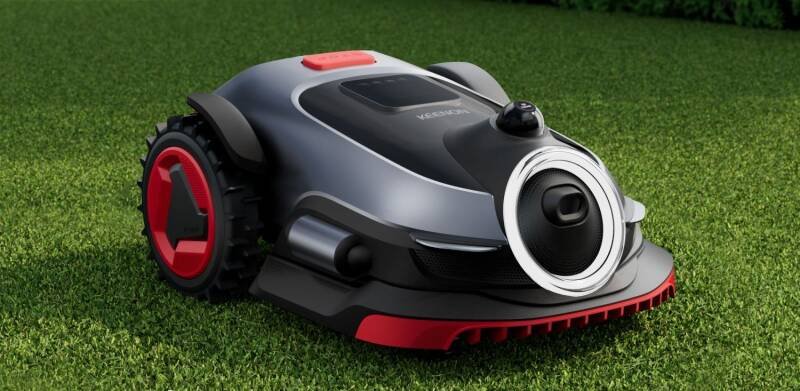



Keenmow K1 launches a wire-free robot mower with LiDAR and AI vision. Get the details on its features, discount offer, and how it compares to the market trends.
Get ready for the gardening season of 2026! A new contender is entering the robot mower arena: the Keenmow K1. This smart mower boasts LiDAR (Light Detection and Ranging) technology and AI vision, doing away with the need for traditional perimeter wires or RTK (Real-Time Kinematic) antennas.
The best part? Keenmow is launching the K1 with a tempting 55% discount, making it available for just €766/$899. This price point aligns with the growing trend of affordable robot mowers, making automated lawn care accessible to more homeowners.
The Keenmow K1's standout feature is its reliance on LiDAR and AI. LiDAR uses lasers to create a 3D map of the surrounding environment. This, combined with AI-powered vision, allows the mower to navigate your yard efficiently and avoid obstacles like trees, flowerbeds, and garden furniture without needing any pre-installed wires. It's a step up in autonomous navigation for lawn care.
Traditional robot mowers often require a perimeter wire to be buried around the lawn's edge. This can be a time-consuming and tedious task. RTK antennas, while offering greater precision, can be expensive and require careful setup. By eliminating both, the Keenmow K1 simplifies the installation process considerably.
This launch signifies a further shift towards wire-free robot mowers equipped with advanced sensor technologies. It means:
The Keenmow K1's success will depend on several factors:
In our opinion, the price point is very attractive, particularly with the launch discount. If the K1 delivers on its promise of reliable wire-free operation, it could be a strong contender in the robot mower market. However, real-world performance will be the ultimate test.
We expect to see more robot mowers adopting LiDAR and AI vision in the coming years. The benefits are clear: easier installation, greater flexibility, and potentially lower costs. This trend will likely lead to:
This could impact the landscaping industry as homeowners increasingly rely on robotic solutions for lawn care. Landscapers may need to adapt by offering services related to the installation, maintenance, and troubleshooting of these advanced mowers.
Ultimately, the Keenmow K1 represents an exciting step forward in the evolution of robot mowers. Whether it lives up to the hype remains to be seen, but it definitely signals a clear direction for the future of lawn care technology.
























