Jonathan the Tortoise is Alive and Well: Debunking the Death Hoax
A viral hoax claimed Jonathan the world's oldest tortoise, had died. This article clarifies the truth, explaining why Jonathan matters, analyzing the situation, and looking at his future.
Jonathan the Tortoise: Still Kicking at 193!
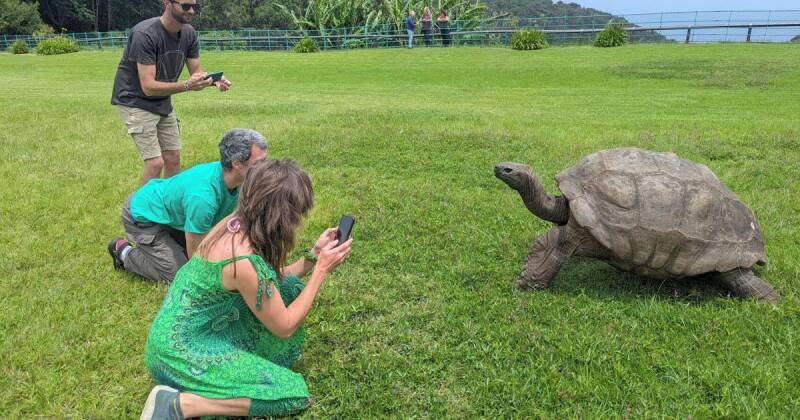
Reports of Jonathan's demise have been greatly exaggerated! Contrary to a viral social media hoax, Jonathan, the world's oldest known living terrestrial animal, is alive and well on the island of Saint Helena. The internet momentarily mourned when a fake post claimed the 193-year-old tortoise had passed away, even going so far as to solicit cryptocurrency donations. Fortunately, a local veterinarian quickly debunked the rumor.
Debunking the Rumor
The hoax post spread rapidly, preying on people's affection for the beloved reptile. According to reports, the post attempted to leverage the false news to solicit donations in cryptocurrency. Luckily, authorities on Saint Helena were quick to respond, assuring the public that Jonathan is still enjoying his days munching on vegetation and basking in the sun. The hoax highlights the dangers of misinformation spreading online, especially when it exploits public sentiment.
Why This News Matters
While the news itself might seem trivial, the incident touches on several important themes:
- Animal Welfare and Conservation: Jonathan is a symbol of longevity and resilience, representing the importance of protecting endangered species. His well-being is a matter of global interest.
- The Spread of Misinformation: The hoax illustrates how easily false information can spread online, particularly through social media. This can have real-world consequences, from emotional distress to financial scams.
- Cryptocurrency Scams: The attempted exploitation of Jonathan's supposed death for cryptocurrency donations is a concerning trend. Scammers are becoming increasingly sophisticated in leveraging current events to defraud unsuspecting individuals.
Our Analysis
In our opinion, this incident is a stark reminder of the need for critical thinking and fact-checking in the digital age. It's crucial to be skeptical of information shared on social media, especially when it evokes strong emotions or requests financial assistance. The fact that someone would attempt to capitalize on the (false) death of an animal for monetary gain is particularly disturbing and underscores the prevalence of scams targeting vulnerable populations.
The rapid response from authorities on Saint Helena is commendable. Their quick action helped to quell the rumors and reassure the public. This situation could impact how people interact with news on social media moving forward, especially when it seems negative or shocking. We believe it's a call to action for social media platforms to improve their mechanisms for identifying and combating misinformation.
Future Outlook
Jonathan continues to live a comfortable life on Saint Helena, cared for by dedicated individuals. His advanced age requires specialized attention, ensuring his nutritional needs are met and he remains free from discomfort.
Looking ahead, we hope this incident will lead to increased awareness about online scams and the importance of verifying information before sharing it. This could also push social media platforms to implement stricter policies regarding the dissemination of false information and the solicitation of cryptocurrency donations in exploitative contexts.
Ultimately, the story of Jonathan's (non-)demise serves as a gentle reminder to appreciate the wonders of the natural world and the importance of protecting vulnerable creatures, both online and off. Let's celebrate Jonathan's continued existence and strive to create a more informed and compassionate digital landscape.