JoAnna Mendoza Targets Rural Healthcare in Arizona Congressional Race: Why It Matters
JoAnna Mendoza is focusing on rural healthcare in her campaign against Juan Ciscomani in Arizona's 6th district. We analyze the potential impact of this strategy and the future of healthcare in the region.
JoAnna Mendoza Highlights Rural Healthcare in Arizona Congressional Race
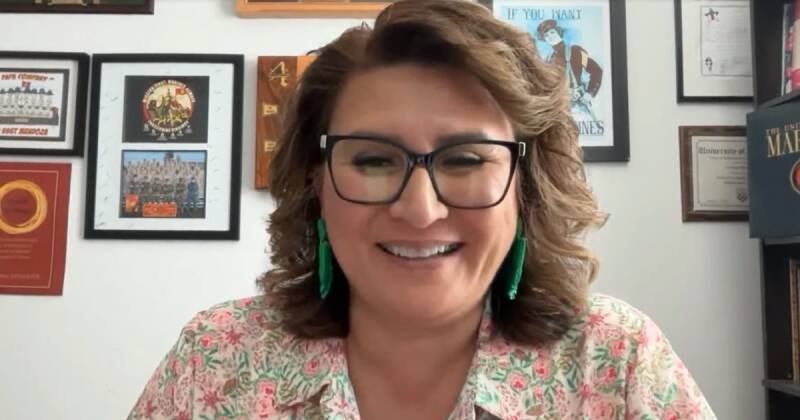
The race for Arizona's 6th congressional district (AZ-06) is heating up, and Democratic candidate JoAnna Mendoza is placing a strong emphasis on improving rural healthcare access. She aims to unseat incumbent Republican Representative Juan Ciscomani in a district that's become a key battleground, drawing national attention. Central to the debate are proposed federal Medicaid changes and the ongoing struggle to secure adequate funding for healthcare services in rural communities.
The Healthcare Landscape in AZ-06
AZ-06 encompasses a large geographic area with a significant rural population. This poses unique challenges to healthcare delivery. Rural residents often face barriers such as:
- Limited access to hospitals and specialists
- Shortage of healthcare professionals
- Transportation difficulties
- Lower rates of health insurance coverage
Mendoza argues that these challenges require proactive solutions and a commitment to ensuring all residents, regardless of their location, have access to quality and affordable healthcare.
Why This News Matters
This race matters for several reasons:
*
National Attention: AZ-06 is a swing district, meaning the election outcome could significantly impact the balance of power in Congress.
*
Healthcare Policy: The debate surrounding Medicaid changes and funding priorities will directly affect the healthcare access and affordability for thousands of Arizonans, particularly those in rural areas.
*
Rural Representation: The outcome will determine who represents the interests of rural communities in Congress, especially concerning critical issues like healthcare.
Our Analysis
Mendoza's focus on rural healthcare is a strategic move. By addressing a pressing need and highlighting the disparities faced by rural communities, she's attempting to resonate with a broader base of voters.
The timing is also crucial. Proposed changes to federal Medicaid funding could disproportionately impact rural hospitals and healthcare providers, potentially exacerbating existing challenges. Mendoza aims to position herself as the champion of these communities, advocating for policies that protect and expand access to care. Ciscomani, on the other hand, will likely emphasize fiscal responsibility and market-based solutions to healthcare challenges.
In our opinion, Mendoza's strategy has the potential to gain traction, especially if she can effectively communicate the real-world consequences of potential Medicaid cuts and highlight the importance of investing in rural healthcare infrastructure. However, she will need to convince voters that her proposals are both feasible and sustainable.
Future Outlook
The future of healthcare in AZ-06 hinges on the outcome of this election.
* If Mendoza wins, we can expect her to prioritize legislation aimed at increasing federal funding for rural healthcare programs, expanding Medicaid coverage, and addressing the healthcare professional shortage.
* If Ciscomani retains his seat, he will likely continue to advocate for policies that emphasize individual responsibility and market-based solutions, potentially including tax credits for health insurance and deregulation of healthcare services.
This could impact access to services in rural communities and the overall health outcomes of the region. The national debate about healthcare reform will likely continue to play a significant role in shaping the future of healthcare in Arizona, regardless of who wins the election. This will require ongoing dialogue and compromise to ensure all residents have access to quality and affordable care.