JD Vance Warns Iran: Understanding the US Negotiations
JD Vance issues a stern warning to Iran as he embarks on negotiations to resolve conflict. Understand the implications, future outlook, and our expert analysis.
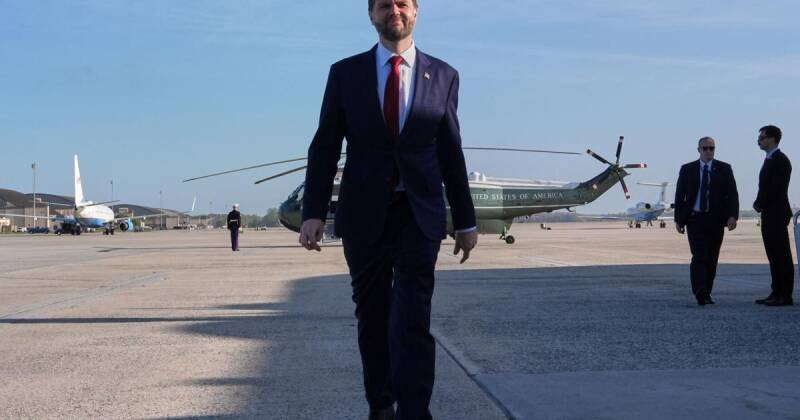



JD Vance issues a stern warning to Iran as he embarks on negotiations to resolve conflict. Understand the implications, future outlook, and our expert analysis.
Vice President JD Vance has issued a strong warning to Iran ahead of crucial negotiations aimed at resolving ongoing conflicts. President Trump has entrusted Vance, a key figure within his administration, with the task of engaging in these delicate diplomatic efforts. This move signals the significance the US places on finding a peaceful resolution.
While the exact details of Vance's warning haven't been fully disclosed, the core message emphasizes that the US will not tolerate any attempts by Iran to deceive or manipulate the negotiation process. This suggests a level of skepticism regarding Iran's intentions and a determination to approach the talks with a firm stance. It’s a clear message meant to set the tone before negotiations even begin.
The Middle East remains a volatile region, and any conflict involving Iran has the potential to escalate rapidly, drawing in other regional and international players. These negotiations are happening against a backdrop of existing tensions, including concerns over Iran's nuclear program and its involvement in regional conflicts. Therefore, the stakes are incredibly high.
This news matters because it highlights the ongoing efforts to de-escalate tensions in a strategically important region. The success or failure of these negotiations will have far-reaching consequences, potentially impacting global energy markets, international security, and the balance of power in the Middle East. A successful negotiation could pave the way for greater stability, while a failure could lead to further escalation and instability.
The involvement of JD Vance, known for his cautious approach to foreign policy, adds another layer of interest. It suggests the administration is taking a measured, yet firm, approach to the negotiations.
In our opinion, Vance's warning is a calculated move designed to establish a position of strength and deter Iran from pursuing any deceptive tactics during the negotiations. It's a way to demonstrate that the US is approaching these talks with its eyes wide open. However, a overly aggressive approach could backfire, potentially hardening Iran's stance and making it more difficult to reach a compromise.
The choice of Vance as the lead negotiator also offers insights into the administration's strategy. His reputation for being measured and analytical might be seen as an attempt to find common ground, while simultaneously holding Iran accountable. This contrasts with other, more hawkish voices that often dominate discussions on Iran policy.
The future hinges on the willingness of both sides to engage in good-faith negotiations and find common ground. Key factors that will influence the outcome include:
This could impact the price of oil globally, as well as shipping lanes throughout the Middle East. The outcome of these negotiations will likely shape the geopolitical landscape of the region for years to come. A positive outcome could lead to increased stability and cooperation, while a negative outcome could exacerbate existing tensions and lead to further conflict.
Ultimately, the success of these negotiations will depend on the willingness of both sides to compromise and find a path towards a more peaceful and stable future. The world will be watching closely as these crucial talks unfold.