Ishihara Shintaro's Life and Legacy: A Deeper Look
Explore the life and impact of Shintaro Ishihara, controversial Japanese politician and author, based on new insights from a biography. Learn why this matters and what the future might hold.



Explore the life and impact of Shintaro Ishihara, controversial Japanese politician and author, based on new insights from a biography. Learn why this matters and what the future might hold.
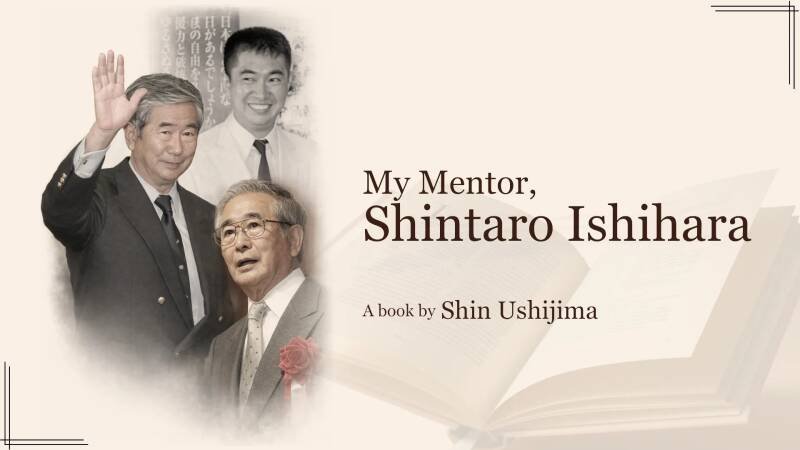
A new chapter in author and lawyer Shin Ushijima's biography delves into the life of Shintaro Ishihara, a prominent and often controversial figure in Japanese politics and literature. Published on JAPAN Forward, "Chapter 1.5: Ishihara on 'Genius'" offers insights into Ishihara's relationships with former prime ministers, his family, and his professional circle.
For those unfamiliar, Shintaro Ishihara (1932-2022) was a towering figure in post-war Japan. He achieved early fame as a novelist, winning the prestigious Akutagawa Prize at a young age. He then transitioned into politics, serving as a member of parliament, a cabinet minister, and notably, as the Governor of Tokyo for 13 years. He was known for his nationalistic views, strong opinions, and ability to spark debate. His political career was marked by both admiration and criticism.
Ushijima's biography aims to provide a more nuanced understanding of Ishihara beyond the headlines. This specific chapter reportedly focuses on his personal interactions, revealing how he engaged with powerful figures like former prime ministers and the dynamics he shared with his family and close colleagues. Understanding these relationships offers a window into Ishihara's character and the motivations behind his political actions.
Understanding the life and career of Shintaro Ishihara is crucial for several reasons. Firstly, he was a significant shaper of Japanese politics for decades. His policies as Governor of Tokyo, his outspoken views on national identity, and his influence on the conservative movement all left a lasting mark. Secondly, studying his life provides valuable context for understanding contemporary Japanese political discourse. Many of the issues he championed or opposed are still relevant today. Lastly, his story is a fascinating example of how art, literature, and politics can intersect, creating a complex and influential figure.
In our opinion, this biographical chapter is important because it moves beyond simple political labels and attempts to humanize Ishihara. While his political stances were often polarizing, understanding his personal relationships and motivations can offer a more complete picture of the man. This is especially crucial in a political climate often dominated by surface-level soundbites. The relationships with prime ministers, in particular, likely shed light on the internal power dynamics and policy debates within the Japanese government during Ishihara's time in office.
We believe that Ushijima's work is an important contribution to the historical record. Biographies, especially those delving into personal relationships, provide context that official records and news reports often lack. This allows for a deeper and more nuanced understanding of the motivations and decisions of key political figures.
This could impact how future historians and political analysts interpret Ishihara's legacy. The insights gleaned from this biography could lead to a re-evaluation of his contributions and the role he played in shaping modern Japan. It could also spark renewed debates about the issues he championed, such as national identity and constitutional reform.
Looking ahead, we anticipate further revelations and interpretations of Ishihara's life as Ushijima's biography progresses. The ongoing analysis and understanding of key figures like Ishihara is essential for informing present-day policy decisions and ensuring a well-informed electorate. The book has the potential to keep his ideologies and political stances alive for years to come.