Iraq Elects New President: Breaking the Political Stalemate and What It Means
Iraq's parliament elected a new president, ending months of political deadlock. Learn about the implications, the future outlook, and our analysis.



Iraq's parliament elected a new president, ending months of political deadlock. Learn about the implications, the future outlook, and our analysis.
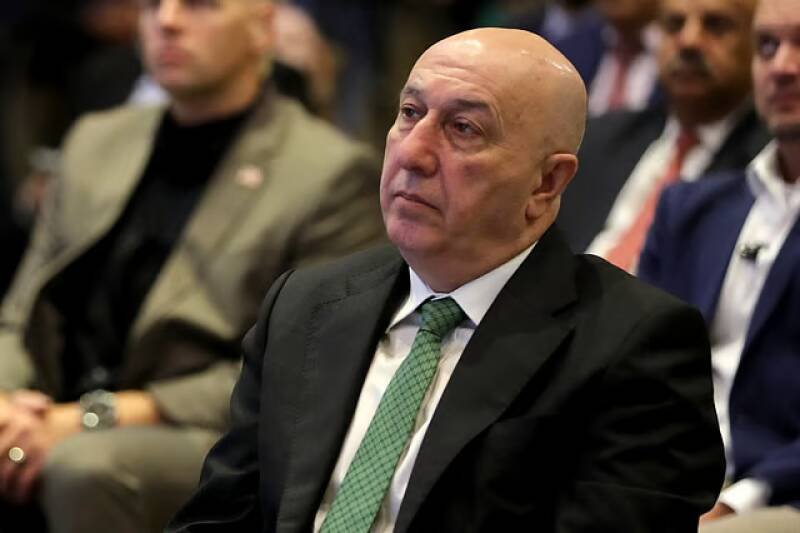
After months of political deadlock and uncertainty, Iraq has finally elected a new president. Nizar Amedi, a Kurdish former government minister, was chosen by the Iraqi parliament on Saturday, signaling a potential turning point in the country's turbulent political landscape. This election brings an end to a long period of instability caused by deep divisions among rival political factions.
Nizar Amedi is not a new face in Iraqi politics. He previously served as the environment minister and has been a prominent figure within the Patriotic Union of Kurdistan (PUK). The PUK's backing proved crucial in securing his victory, as he garnered 227 votes in parliament. His background suggests a focus on environmental issues and a likely commitment to representing Kurdish interests within the broader Iraqi government.
The election of a new president in Iraq is significant for several reasons:
In our opinion, Nizar Amedi's election represents a step forward for Iraq. However, significant challenges remain. The deep-seated divisions within Iraqi politics will not disappear overnight. His success will depend on his ability to bridge these divides and build consensus among different political groups.
His past experience as environment minister suggests a potential focus on sustainable development and addressing environmental concerns. This could be a positive development for Iraq, a country facing various environmental challenges, including water scarcity and pollution. Also it could impact international relations in the environmental sphere.
The support from the PUK will likely influence his policies and priorities. Balancing the interests of the Kurdish region with the needs of the entire country will be a critical task. In our opinion, his ability to navigate these competing interests will determine the success of his presidency.
The immediate future will likely involve the formation of a new government under the leadership of the new president. This process will be closely watched by both domestic and international observers. The composition of the new government will be a key indicator of the country's future direction. In fact, this could impact foreign investment and relationships with other nations.
Several factors could influence the future of Iraqi politics:
Overall, the election of Nizar Amedi offers a glimmer of hope for a more stable and prosperous Iraq. However, the challenges ahead are significant, and success will depend on the ability of Iraqi leaders to work together in the best interests of the country. This moment is pivotal and will determine the trajectory of Iraq for years to come.
























