Iran Rejects US Ceasefire Proposal: What It Means
Iran reportedly rejected a US-proposed 48-hour ceasefire in the region. Here's a breakdown of the situation, why it matters, and what the future holds.
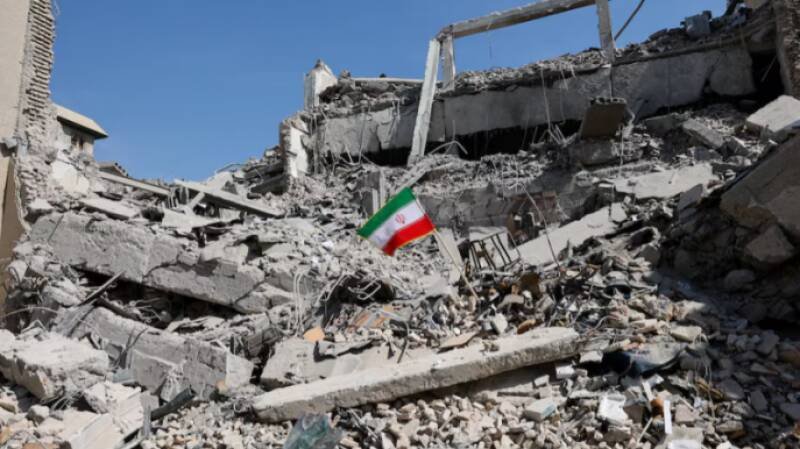



Iran reportedly rejected a US-proposed 48-hour ceasefire in the region. Here's a breakdown of the situation, why it matters, and what the future holds.
According to Iranian media sources, Tehran has turned down a 48-hour ceasefire proposal reportedly put forward by the United States. The news, emerging from an anonymous source within Iranian media, suggests the proposal was delivered on Wednesday through an intermediary country.
The details surrounding this proposal remain scarce. The specific conflict the ceasefire aimed to address wasn't immediately clear. However, given the current geopolitical climate and heightened tensions in the Middle East, it's likely related to ongoing proxy conflicts or escalations involving Iranian-backed groups and US interests in the region. The US has not publicly confirmed or denied making such a proposal. This lack of official comment adds another layer of complexity to the situation.
This rejection signifies a potential impasse in diplomatic efforts to de-escalate tensions. A ceasefire, even a temporary one, could have opened the door for further negotiations and a more lasting resolution. Its rejection signals a continued lack of trust and willingness to compromise between Iran and the US, hindering prospects for regional stability. Furthermore, it puts increased pressure on other nations that are hoping for peace in that region. This could have far-reaching effects.
In our opinion, this refusal underscores the deep-seated mistrust and ideological differences between Iran and the United States. Iran may view the proposal as insufficient, lacking guarantees, or carrying unacceptable conditions. It's also possible that Iran believes it holds a strategic advantage in the current situation and sees no incentive to halt its activities. The use of an intermediary nation suggests that the two countries are not currently engaging in direct dialogue, making communication and negotiation more challenging. This situation creates a real issue in creating any positive results. This could impact global oil prices if tensions continue.
It is important to note that information stemming from anonymous sources should always be treated with caution and requires further verification. Official confirmation from both the US and Iranian governments is needed to fully understand the context and implications of this alleged rejection.
The rejection of this ceasefire proposal doesn't necessarily mean all hope for diplomacy is lost. However, it signals a need for a revised approach. Future efforts may need to involve more creative solutions, stronger guarantees, and broader regional participation. Without a shift in strategy, the risk of further escalation remains high. Here are some potential developments to watch:
The situation is fluid and unpredictable. Close monitoring of developments, official statements, and regional dynamics is essential to understanding the potential consequences of this latest development. The ongoing conflict in the region also impacts other countries not directly involved. Any further instability can have effects worldwide.
Ultimately, finding a pathway to de-escalation requires a genuine commitment to dialogue, compromise, and a willingness to address the underlying issues driving the conflict. Until then, the region remains vulnerable to further instability.