Iran Rejects US Ceasefire Proposal: A Deep Dive
Iran has rejected a US ceasefire proposal. This article explains the situation, analyzes the potential impact, and provides a future outlook.
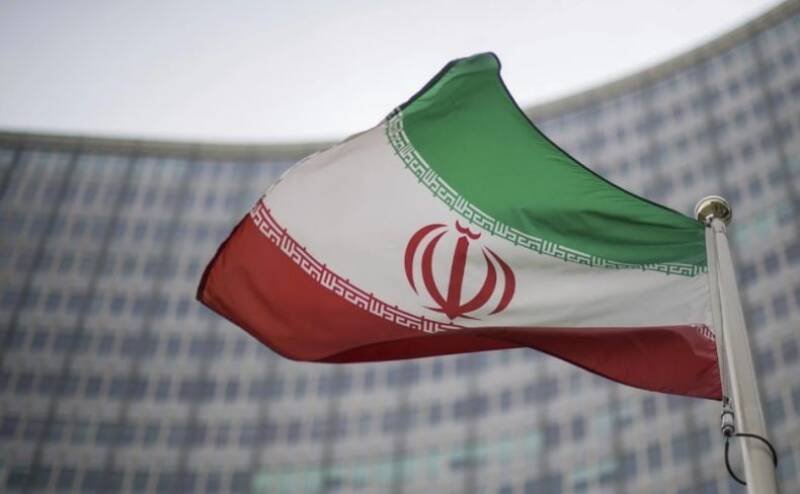



Iran has rejected a US ceasefire proposal. This article explains the situation, analyzes the potential impact, and provides a future outlook.
In a move that underscores the complex dynamics of international relations, Iran has outright rejected a proposal from the United States for a 48-hour ceasefire. This rejection highlights the deep-seated mistrust and conflicting interests that continue to fuel tensions in the region.
While the specific details of the US ceasefire proposal remain somewhat vague in publicly available reports, it's understood to be aimed at de-escalating ongoing tensions, likely in the context of regional conflicts where both Iran and the US have influence or proxy involvement. However, Iran swiftly dismissed the offer, signaling a lack of confidence in the US's intentions or the proposal's feasibility.
Reasons for Iran's rejection likely include: a perceived lack of good faith from the US, disagreement on the terms of the ceasefire, and a strategic calculation that maintaining pressure yields more favorable outcomes. Remember, the US and Iran have been at odds for decades, with sanctions and proxy conflicts creating a climate of deep suspicion.
This rejection is significant because it demonstrates the difficulty in achieving even short-term de-escalation in the region. It also points to a continuing cycle of mistrust and missed opportunities for dialogue. This impasse could prolong existing conflicts, increase the risk of direct confrontation, and further destabilize an already volatile area.
Moreover, failed attempts at diplomacy can harden positions on both sides, making future negotiations even more challenging. The international community, particularly those with close ties to either Iran or the US, now faces the task of trying to bridge this gap and find alternative paths toward conflict resolution.
In our opinion, Iran's rejection should be seen within the broader context of US-Iranian relations. The existing sanctions imposed by the US have severely impacted the Iranian economy. Iran might view the ceasefire proposal as an attempt to weaken their position or to gain a strategic advantage.
The US, on the other hand, likely sees the ceasefire proposal as a way to reduce tensions and prevent further escalation. However, without addressing Iran's core grievances, particularly regarding sanctions relief, any attempts at short-term solutions are likely to fail. This could impact the region and increase the chances of further clashes.
This situation is further complicated by the involvement of various proxy groups and regional powers. Both Iran and the US have allies and partners in the region, and their actions can be heavily influenced by these relationships. Finding a resolution requires a comprehensive approach that addresses the interests of all stakeholders.
Looking ahead, the prospects for improved US-Iranian relations remain uncertain. While the possibility of renewed negotiations cannot be ruled out, significant breakthroughs will likely require a shift in approach from both sides.
Potential future developments include:
Ultimately, a sustainable resolution will require addressing the underlying issues that fuel the conflict. This includes finding a way to address Iran's economic concerns, de-escalating regional tensions, and fostering a climate of mutual trust. Until then, the region remains on a precarious path, and the risk of further conflict remains high.
Moving forward, a significant role must be played by international diplomacy. Nations with strong relationships with both the United States and Iran need to actively engage in facilitating conversations and building trust. This may involve mediating discussions, proposing confidence-building measures, and finding common ground on key issues. The road ahead is fraught with challenges, but proactive and sustained diplomatic efforts are crucial for preventing further escalation and promoting lasting stability in the region.
























