Iran Quds Force Commander: Israeli Pressure Strengthens Resistance - Analysis
The commander of Iran's Quds Force claims Israeli pressure is making the "resistance" stronger. We analyze the statement, its implications, and the future outlook.



The commander of Iran's Quds Force claims Israeli pressure is making the "resistance" stronger. We analyze the statement, its implications, and the future outlook.
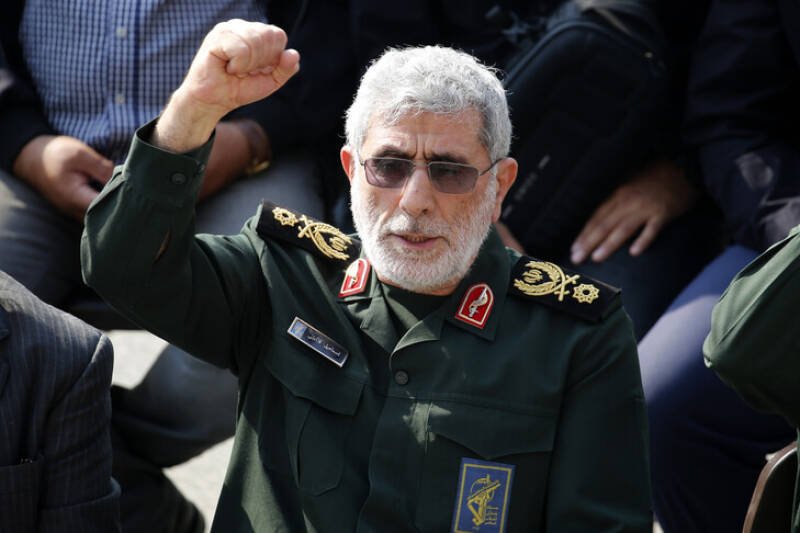
Esmail Qaani, the commander of Iran's Quds Force, stated on Sunday that Israeli pressure has paradoxically strengthened the "resistance." The Quds Force is a branch of Iran's Islamic Revolutionary Guard Corps (IRGC) responsible for foreign operations and supporting allied militant groups across the Middle East.
While the exact details of Qaani's statement are limited in the available source, the core message suggests that Iran believes Israeli actions, intended to weaken its allies, are actually having the opposite effect, driving them closer together and bolstering their resolve.
This statement, though concise, carries significant weight. It provides a window into Iran's perspective on the ongoing tensions in the Middle East and its strategy regarding its proxies. Understanding Iran's narrative is crucial for anyone trying to grasp the complexities of the region's conflicts. It helps us understand how the Iranian leadership interprets the existing dynamic, and what actions could potentially be expected as a response.
It also reveals a potential strategic aim: portray Israel as an aggressor whose actions are counterproductive, thus garnering sympathy and support for the "resistance" axis. This is an ongoing information war as well as a physical one.
In our opinion, Qaani's statement should be viewed with a degree of skepticism, but also with careful consideration. It's likely a mixture of genuine belief and strategic messaging. On one hand, increased pressure, such as sanctions or military strikes, can sometimes create a "rally around the flag" effect, strengthening resolve and unity within targeted groups. On the other hand, it serves Iran's interests to portray Israel as a destabilizing force, justifying its own actions and bolstering support for its allies.
It's important to remember that the term "resistance" is often used by Iran and its allies to refer to groups such as Hezbollah in Lebanon, Hamas in Palestine, and various Shiite militias in Iraq and Syria. These groups often engage in activities that many countries consider acts of terrorism.
This could impact the level of support these groups receive from the Iranian government. If the Iranian government genuinely believes the pressure is only strengthening them, it may see no need to alter its strategy. The statement also comes at a time of increased international scrutiny of Iran's activities, potentially influencing global perceptions.
The future is difficult to predict with certainty. However, here are some potential scenarios:
Ultimately, the future will depend on the decisions made by key players in the region, including Iran, Israel, and the international community. It is important to closely monitor the situation and be prepared for a range of potential outcomes.
The statement from the Quds Force commander is a reminder of the volatile and complex nature of the Middle East. While its veracity is open to interpretation, it highlights the importance of understanding the perspectives and motivations of all involved parties to navigating this turbulent region.
























