Iowa Child Welfare Reforms: Task Force Status and Future Outlook
Iowa's child welfare system is undergoing reform, but questions remain about the effectiveness of the ongoing changes and the role of the child welfare task force.
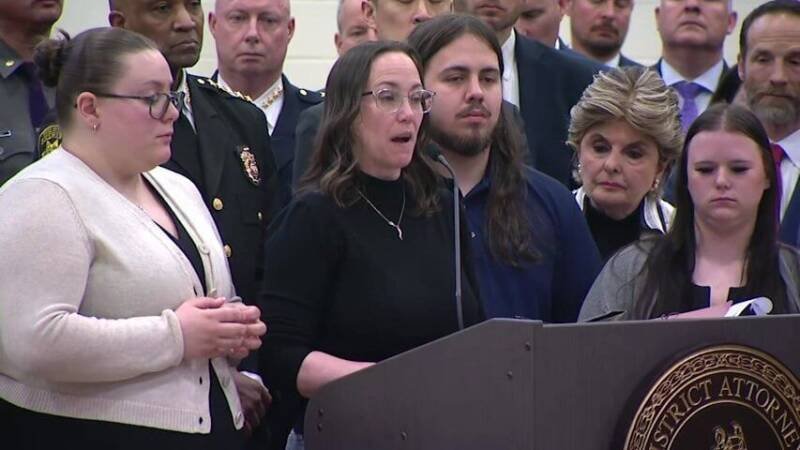



Iowa's child welfare system is undergoing reform, but questions remain about the effectiveness of the ongoing changes and the role of the child welfare task force.
Iowa's child welfare system is a vital safety net for vulnerable children, but it has faced scrutiny in recent years. While a dedicated task force hasn't convened since 2024, state officials maintain that reforms are actively being implemented through a new advisory group. However, some lawmakers are voicing concerns about the level of oversight.
The child welfare task force, initially established to address systemic issues, has been inactive for some time. The Iowa Department of Health and Human Services (HHS) asserts that its work continues through a new advisory group, focusing on implementing recommendations previously developed by the task force. These reforms are aimed at improving child protection services, strengthening foster care, and preventing child abuse and neglect.
While officials point to ongoing progress, some legislators are questioning the transparency and accountability of the current approach. They argue that a more formal structure, like the original task force, is needed to ensure adequate oversight and public engagement in the reform process.
The well-being of Iowa's children is paramount. A functional and effective child welfare system is crucial for protecting them from harm, providing safe and stable homes, and ensuring they have opportunities to thrive. Discussions surrounding the task force highlight the importance of ongoing evaluation and improvement of these critical services.
The future of Iowa's most vulnerable children hangs in the balance. Any perceived lack of transparency or accountability within the child welfare system could have significant consequences for children at risk. Therefore, understanding the status of the task force, the progress of reform efforts, and the concerns raised by lawmakers is essential for informed citizenry.
In our opinion, the transition from a formal task force to an advisory group raises legitimate questions about the level of public scrutiny and influence. While the advisory group may be diligently working on reforms, the absence of a publicly accountable body could hinder transparency and limit opportunities for input from stakeholders, including families, advocates, and community organizations.
This could impact the effectiveness of the reforms themselves. Without diverse perspectives and rigorous oversight, there's a risk that crucial issues might be overlooked or that reforms might not be implemented in a way that best serves the needs of Iowa's children. The concerns raised by lawmakers underscore the importance of maintaining a robust and transparent system of oversight.
The key to success, in our view, lies in ensuring that the advisory group operates with full transparency, actively seeks input from diverse stakeholders, and is held accountable for achieving measurable improvements in the well-being of Iowa's children.
The debate surrounding the child welfare task force and the ongoing reforms is likely to continue. Legislators may introduce legislation to re-establish a formal oversight body or to enhance the transparency and accountability of the current advisory group.
It's also possible that the HHS will take steps to address the concerns raised by lawmakers and the public, perhaps by increasing transparency and providing more opportunities for public input. This could involve publishing regular reports on the progress of reforms, holding public forums to gather feedback, or establishing a formal process for stakeholder engagement.
Ultimately, the future of Iowa's child welfare system will depend on the willingness of state officials, lawmakers, and stakeholders to work together to ensure that all children are safe, protected, and have the opportunity to reach their full potential.
























