Indore Officials Push for Fire Safety and Water Conservation: What You Need to Know
Indore officials are urging resident welfare associations to prioritize fire safety, water conservation, and waste management. Learn what this means for residents and the future of Indore.
Indore Custodians Stress Fire Safety, Water Conservation: A Call to Action for Residents
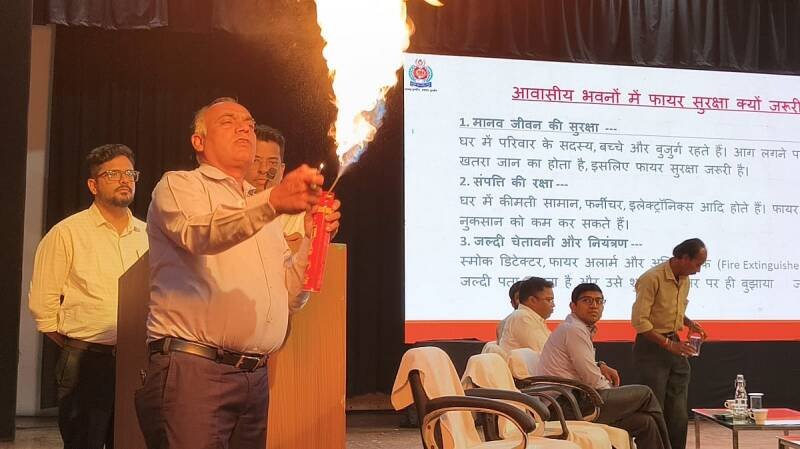
Indore officials recently held a meeting with resident welfare associations (RWAs) at Ravindra Natya Grah, emphasizing the critical importance of fire safety, cleanliness, and water conservation. Collector Shivam Verma and Municipal Commissioner Kshitij Singhal spearheaded the discussion, urging RWAs to actively implement and maintain essential systems within their communities.
Key Priorities Outlined by Officials
The meeting focused on several key areas:
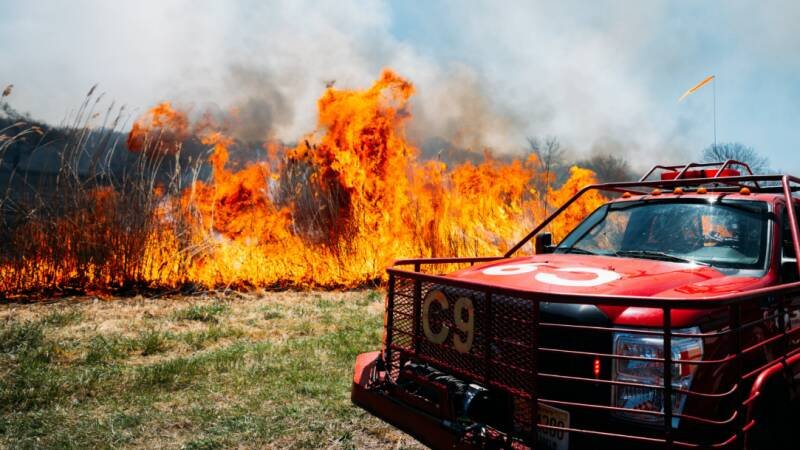
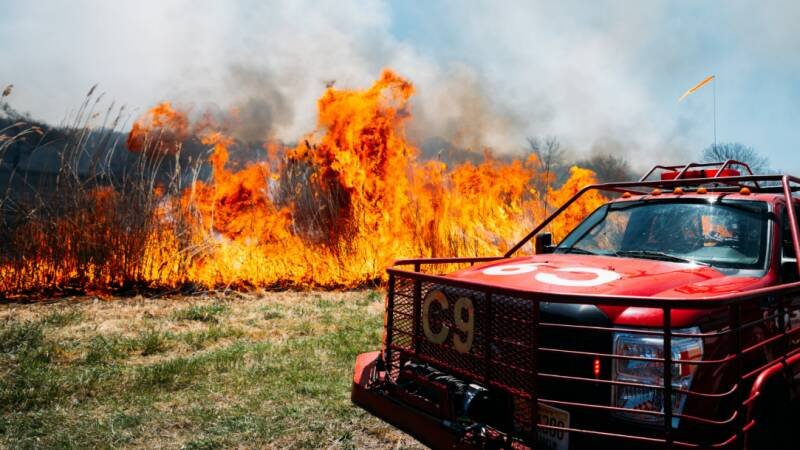
- Functional Fire Safety Systems: Ensuring all buildings have working fire extinguishers, smoke detectors, and clear evacuation plans.
- Rainwater Harvesting: Implementing systems to collect and store rainwater for various uses, reducing reliance on municipal water supply.
- Waste Segregation: Separating waste at the source into recyclable, non-recyclable, and organic categories.
- Emergency Preparedness: Developing plans and procedures to handle emergencies effectively, ensuring residents are well-informed and prepared.
Why This News Matters
This initiative is crucial for several reasons. First, it directly addresses the growing concerns about fire safety in densely populated urban areas. A proactive approach to fire prevention can save lives and minimize property damage. Secondly, water conservation is becoming increasingly important as Indore, like many other cities, faces challenges related to water scarcity. Rainwater harvesting offers a sustainable solution to supplement water resources. Finally, effective waste management is essential for maintaining a clean and healthy environment, reducing pollution and promoting a circular economy.
This isn't just about compliance; it's about creating a more resilient and sustainable community for everyone in Indore.
Our Analysis
The involvement of top officials like the Collector and Municipal Commissioner demonstrates the seriousness with which the Indore administration is taking these issues. By engaging directly with RWAs, the authorities are fostering a collaborative approach, empowering residents to take ownership of their community's safety and sustainability. This proactive engagement is a positive sign and suggests a genuine commitment to improving the quality of life for Indore residents.
However, the success of this initiative hinges on effective implementation and sustained effort. Simply holding a meeting is not enough. There needs to be ongoing monitoring, support, and enforcement to ensure that RWAs follow through on their commitments. In our opinion, the government should provide resources and training to help RWAs implement these measures effectively.
Future Outlook
The future success of this initiative depends on several factors. We expect to see increased awareness among residents regarding fire safety, water conservation, and waste management. This could impact property values as prospective buyers become more conscious of these aspects. Furthermore, this initiative could serve as a model for other cities facing similar challenges.
Potential Future Developments:
- Increased government funding for RWA-led sustainability projects.
- Mandatory fire safety audits for all residential buildings.
- Incentives for RWAs that demonstrate significant progress in water conservation and waste management.
- Public awareness campaigns to educate residents about their role in creating a safer and more sustainable Indore.
Ultimately, the goal is to create a more resilient, sustainable, and livable city for all residents of Indore. By focusing on fire safety, water conservation, and waste management, the city is taking important steps towards a brighter future.