Indore E-Rickshaw Zones: Color-Coded System for Better Traffic
Indore introduces a color-coded zoning system for e-rickshaws. Learn how this initiative aims to improve traffic management, safety, and operational transparency. Our analysis and future outlook included.
Indore E-Rickshaws Get a Color-Coded Makeover: New Zones Explained
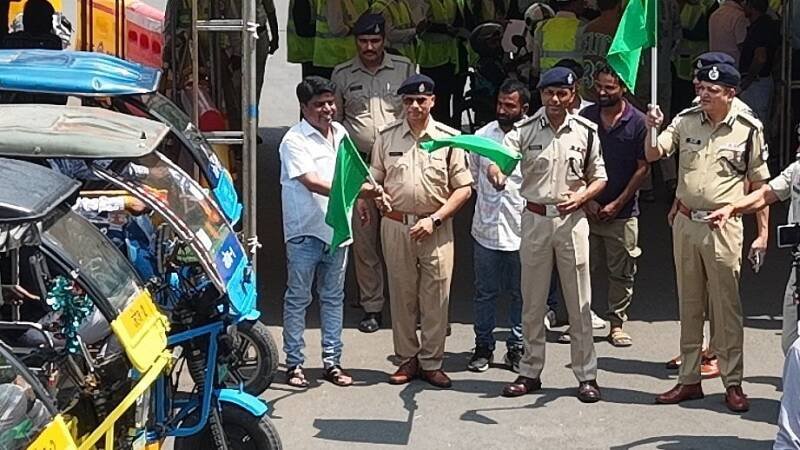
Indore is taking a significant step to organize its growing e-rickshaw sector. The city's Commissioner of Police, Santosh Kumar Singh, recently announced a new color-coded zoning system for e-rickshaws. This initiative aims to streamline traffic, enhance safety for both drivers and passengers, and bring greater transparency to e-rickshaw operations within the city. Think of it as a carefully planned roadmap for these vital transportation vehicles.
Understanding the Four Zones and Colors
The new system divides Indore into four distinct zones, each represented by a specific color. Here’s a breakdown of what we know so far:
- Specific details about the color allocation to zones are still emerging.
- The aim is to clearly define operating areas for each e-rickshaw, reducing congestion and overlap.
- Drivers will need to adhere to the color assigned to their permitted zone.
The Traffic Police are actively encouraging all e-rickshaw drivers to cooperate with these new regulations. This likely involves registering their vehicles, obtaining the appropriate permits for their assigned zone, and prominently displaying the corresponding color code.
Why This News Matters
This isn't just about aesthetics; it's about creating a more organized and safer urban environment. The rapid increase in e-rickshaws has presented challenges for traffic flow and passenger safety in Indore. By implementing this zoning system, the city hopes to address several key issues:
- Reduced Traffic Congestion: Clearly defined zones should prevent e-rickshaws from overcrowding specific areas, leading to smoother traffic flow.
- Improved Safety: By regulating routes and ensuring vehicle compliance, the risk of accidents and other safety hazards could be minimized.
- Enhanced Operational Transparency: The zoning system could make it easier to track and monitor e-rickshaw operations, potentially reducing illegal activities and fare gouging.
- Better Planning: The data generated by tracking e-rickshaws by zone will help the city better plan future development and infrastructure.
Our Analysis
In our opinion, this initiative is a positive step towards modernizing Indore's transportation system. The color-coded zoning system has the potential to bring much-needed order and efficiency to the e-rickshaw sector. However, the success of this initiative hinges on effective implementation and enforcement.
Several factors will be crucial:
- Clear Communication: The Traffic Police need to clearly communicate the new regulations to e-rickshaw drivers, ensuring they understand the zoning system and their assigned operating areas.
- Fair Enforcement: Consistent and fair enforcement of the regulations is essential to ensure compliance and prevent resentment among drivers.
- Accessibility: The process for registering e-rickshaws and obtaining permits needs to be accessible and efficient to avoid unnecessary delays and bureaucratic hurdles.
This could impact the livelihood of some drivers, particularly those who previously operated across multiple areas. The city should consider providing support and resources to help drivers adapt to the new system.
Future Outlook
The implementation of the color-coded zoning system is just the beginning. In the future, we can expect to see:
- Data-Driven Improvements: The city can use data collected from the zoning system to identify areas where e-rickshaw services are lacking and make adjustments to improve coverage.
- Integration with Public Transport: E-rickshaws could be further integrated with the city's overall public transport system, providing last-mile connectivity to bus stops and train stations.
- Smart Technology: The city might explore using GPS tracking and other smart technologies to monitor e-rickshaw movements and optimize traffic flow in real-time.
- Expansion to Other Cities: If successful in Indore, this model could be replicated in other Indian cities facing similar challenges with e-rickshaw regulation.
Ultimately, the success of this initiative will depend on the collaboration between the city government, the Traffic Police, and the e-rickshaw drivers themselves. By working together, they can create a more sustainable and efficient transportation system for Indore. The future of Indore's transport looks bright.