Indiana Senate District 38 Race: Wilson Stays on Ballot, But What Does It Mean?
Alexandra Wilson's place on the Indiana Senate District 38 ballot is secure for now, but the fight highlights key issues and could impact the Republican primary.
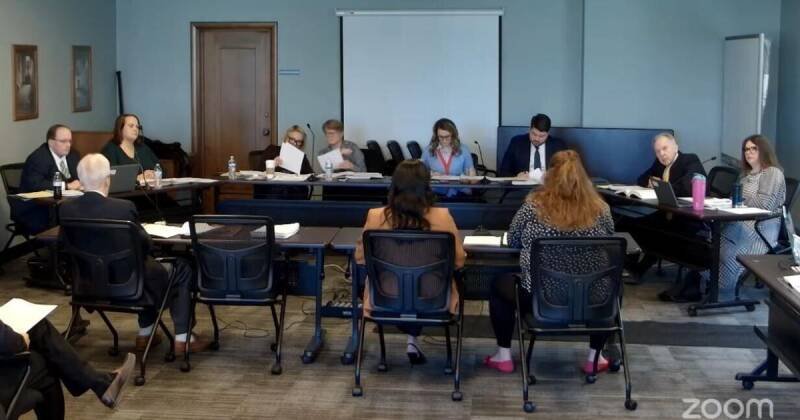



Alexandra Wilson's place on the Indiana Senate District 38 ballot is secure for now, but the fight highlights key issues and could impact the Republican primary.
The race for Indiana Senate District 38 just got a little more interesting! Alexandra Wilson, a Republican primary candidate, successfully defended her spot on the ballot after a challenge was brought against her candidacy. The case is now heading back to the Election Commission for further review. This article breaks down what happened, why it matters, and what could happen next.
Alexandra Wilson will remain a candidate in the Republican primary for Indiana Senate District 38. A challenge to her eligibility was reviewed, but she ultimately remains on the ballot.
This situation highlights several key aspects of election law and the political landscape in Indiana. Ballot challenges are a common tactic used by political opponents to try and disqualify candidates. They often focus on technicalities related to residency requirements, petition signatures, or other filing procedures. When a challenge fails, it strengthens the candidate's position and underscores the importance of adhering to election rules.
In our opinion, this victory, while significant, doesn't guarantee an easy path for Wilson. The initial challenge indicates a level of opposition or concern about her candidacy, potentially stemming from policy differences within the Republican party or simply strategic maneuvering by her rivals. The fact that the case is heading back to the Election Commission also means the final decision is not clear yet.
It's also worth noting that ballot challenges can sometimes backfire. If voters perceive the challenge as unfair or politically motivated, it could actually generate sympathy and support for the candidate being targeted. However, the challenge can also draw attention to issues that might otherwise have gone unnoticed.
The case now returns to the Election Commission, which will likely involve further review of the evidence presented and potentially additional hearings. The Election Commission's decision will ultimately determine Wilson's eligibility to remain on the ballot.
This could impact voter turnout and engagement. A contested primary race often attracts more attention and encourages voters to participate. If Wilson is removed, it would likely decrease competition and potentially lower turnout.
Looking ahead, we anticipate continued scrutiny of all candidates in the Indiana Senate District 38 race. This situation serves as a reminder of the importance of understanding and adhering to election laws, as well as the strategic role that legal challenges can play in political campaigns. It remains to be seen whether her eligibility to run will continue to be challenged.