Impaired Driving Investigation After Highlands Crash: What it Means
A single-vehicle crash in Highlands is under investigation, with a suspected impaired and banned driver at the center. We break down the incident, its implications, and what it means for road safety.
Suspected Impaired, Banned Driver Under Investigation After Highlands Crash
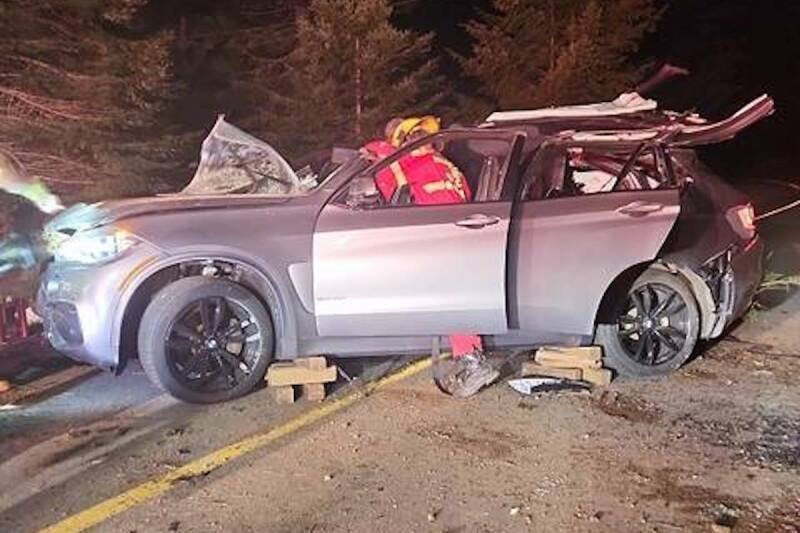
A single-vehicle collision in Highlands, British Columbia, is under investigation after an incident that occurred on Thursday, April 9th, near the 1400 block of Millstream Road. The investigation centers around the driver, who is suspected of being impaired and driving while prohibited.
The Incident
The details surrounding the crash are still emerging, but we know it involved a single vehicle. Emergency responders were called to the scene on Millstream Road, where they found evidence suggesting the driver was potentially under the influence. Furthermore, authorities discovered that the driver was already prohibited from operating a motor vehicle.
Why This News Matters
This incident is more than just a traffic accident; it highlights several critical issues related to road safety and the enforcement of driving laws. Impaired driving continues to be a major cause of collisions and fatalities on our roads. When coupled with driving while prohibited, it represents a blatant disregard for the law and the safety of others. This case underscores the need for continued vigilance and effective measures to deter impaired driving.
Our Analysis
In our opinion, this case represents a serious failure of the system. While we don't know the specifics of why the driver was prohibited in the first place, the fact that they were able to get behind the wheel and potentially endanger others is deeply concerning. This raises questions about the effectiveness of current deterrents and the resources allocated to monitor and prevent repeat offenders. We need to ask ourselves, are the penalties severe enough? Is there adequate follow-up and support for individuals with a history of impaired driving to prevent recidivism?
The investigation will likely focus on determining the driver's level of impairment at the time of the crash. Blood alcohol content (BAC) testing will be crucial. Furthermore, the investigation will seek to determine the cause of the crash itself. Was it solely due to impairment, or were other factors involved, such as speed or road conditions?
Future Outlook
The outcome of this investigation could have significant consequences for the driver involved. Depending on the findings, they could face charges related to impaired driving, driving while prohibited, and potentially other traffic offenses. These charges can carry hefty fines, further driving prohibitions, and even jail time.
More broadly, this incident could impact future road safety policies and enforcement strategies. Police may increase patrols and conduct more frequent sobriety checkpoints in the area. Legislators may consider strengthening penalties for impaired driving and driving while prohibited to deter repeat offenders. Furthermore, increased public awareness campaigns could help educate drivers about the dangers of impaired driving and the consequences of their actions.
Potential Policy Changes
- Increased Funding for Sobriety Checkpoints: More frequent and visible checkpoints can deter impaired driving.
- Mandatory Ignition Interlock Devices: Requiring convicted impaired drivers to install ignition interlock devices can prevent them from operating a vehicle while impaired.
- Enhanced Rehabilitation Programs: Providing access to effective treatment programs can help individuals address underlying issues that contribute to impaired driving.
This could impact the insurance rates of everyone in the area if impaired driving remains a problem. It’s a reminder that reckless actions on the road have far-reaching consequences.
Ultimately, the goal is to create a safer environment for all road users. This requires a multi-faceted approach that includes strict enforcement of existing laws, increased awareness, and a commitment to preventing impaired driving in our communities.