Illegal Alien Arrests for Murder Spark Sanctuary City Debate in Virginia
Three illegal alien arrests for murder in a Virginia sanctuary county raise questions about immigration policy and public safety. Get the facts, analysis, and future outlook.



Three illegal alien arrests for murder in a Virginia sanctuary county raise questions about immigration policy and public safety. Get the facts, analysis, and future outlook.
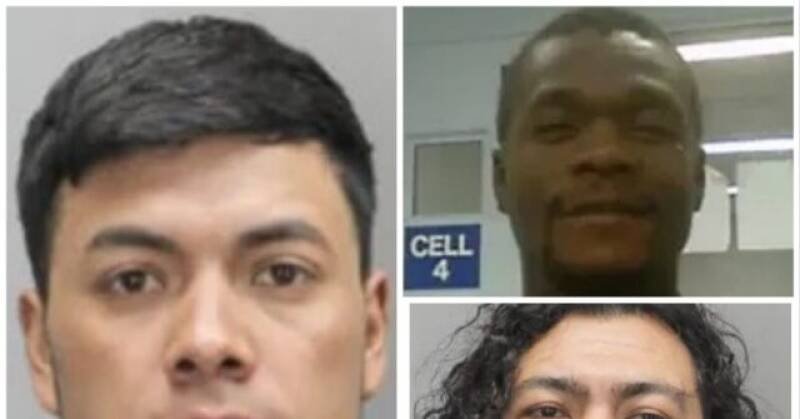
Recent events in Fairfax County, Virginia, have ignited a fiery debate surrounding sanctuary policies and their impact on public safety. The Department of Homeland Security (DHS) has formally requested Virginia Governor Abigail Spanberger and Fairfax County officials to honor an ICE detainer for a third individual, an illegal alien, accused of murder within the county. This marks the third such arrest in roughly a month, raising serious questions about the effectiveness of current immigration enforcement.
According to reports, these three separate murder cases all involve individuals who are in the country illegally and reside in Fairfax County, a jurisdiction often described as a "sanctuary county." A sanctuary county typically limits its cooperation with federal immigration authorities, such as ICE (Immigration and Customs Enforcement). This means local law enforcement may not fully cooperate with ICE detainers, which are requests to hold individuals suspected of being in the country illegally until ICE can take them into custody.
The DHS's repeated requests for detainers to be honored highlights the growing tension between federal immigration enforcement and local sanctuary policies. The agency believes that honoring these detainers could prevent future crimes and ensure public safety. However, sanctuary advocates argue that such cooperation erodes trust between immigrant communities and local police, potentially hindering crime reporting and overall public safety.
This situation has significant implications for national immigration policy. It brings into sharp focus the ongoing debate about the role of sanctuary jurisdictions and their impact on crime rates and public safety. These incidents are likely to fuel further discussions about the balance between protecting immigrant rights and ensuring the safety and security of all residents. The outcome of this situation in Virginia could set a precedent for other sanctuary jurisdictions across the nation.
In our opinion, this situation is complex and requires careful consideration of all factors. While it's essential to respect the rights of all individuals, regardless of their immigration status, public safety must remain a top priority. The core of the problem lies in the effectiveness of our border control and immigration enforcement policies. Failing to adequately vet and monitor individuals entering the country creates opportunities for dangerous individuals to operate. We must find a balance between compassionate immigration policies and robust enforcement mechanisms.
The timing of these incidents in close proximity raises concerns about potential systematic failures in immigration enforcement. The argument for honoring ICE detainers gains weight when individuals released due to sanctuary policies are subsequently accused of violent crimes. This could significantly impact public perception of sanctuary policies.
The future response to these events remains uncertain. Governor Spanberger and Fairfax County officials will face increasing pressure to respond to the DHS's requests and address public safety concerns. Possible outcomes include:
This situation will likely further polarize the debate surrounding immigration policy in the United States. Conservative voices will likely seize on these incidents to advocate for stricter immigration laws and an end to sanctuary policies. Conversely, progressive voices will likely emphasize the importance of due process and protecting immigrant rights. The coming months will be crucial in determining the long-term impact of these events on immigration policy in Virginia and across the country.
This situation could impact:
It's a complex situation with no easy answers. Hopefully, a balanced approach can be found that prioritizes both public safety and the rights of all individuals.