IAPL Calls for Release of Advocate Surendra Gadling: Why It Matters
The Indian Association of People's Lawyers (IAPL) demands the release of Surendra Gadling, accused in Bhima-Koregaon case. Understand the context, analysis, and future outlook.



The Indian Association of People's Lawyers (IAPL) demands the release of Surendra Gadling, accused in Bhima-Koregaon case. Understand the context, analysis, and future outlook.
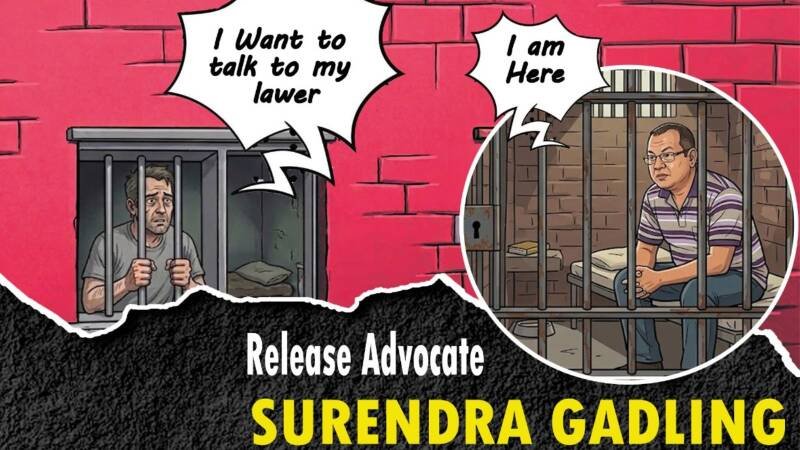
The Indian Association of People's Lawyers (IAPL) has issued a strong call for the immediate release of its General Secretary, Surendra Gadling, a well-known advocate from Nagpur. Gadling has been incarcerated for the past eight years in connection with the Bhima-Koregaon case and the Surajgarh mine arson case in Maharashtra.
According to the IAPL, Gadling is the only individual from the initial group of those arrested who remains in jail. The organization argues that his continued detention raises serious concerns about due process and the fairness of the legal proceedings.
Surendra Gadling is not just any individual; he is a respected advocate and a prominent figure within the IAPL. He has a long history of advocating for marginalized communities and defending the rights of the underprivileged. His work has often involved taking on challenging cases that other lawyers might shy away from, making him a target in some circles.
His legal work has focused on defending individuals accused of being associated with Naxalite groups, often providing legal aid to those who cannot afford it. It's important to note that providing legal representation does not equate to endorsing the views or actions of one's clients.
This news is significant for several reasons:
In our opinion, the IAPL's demand for Surendra Gadling's release is a legitimate call for ensuring due process and human rights. While the charges against Gadling are serious, the length of his detention without a conclusive trial raises concerns about potential political motivations. The fact that he is the only one remaining incarcerated from the initial arrests also warrants scrutiny.
The Bhima-Koregaon case has been plagued by allegations of fabricated evidence and politically motivated arrests. The National Investigation Agency (NIA) is currently investigating the case, but critics argue that the investigation has been biased and has targeted human rights activists and lawyers.
This could impact the perception of the Indian justice system internationally. Transparency and a fair trial are crucial for maintaining public trust and upholding the rule of law.
The future of Surendra Gadling's case remains uncertain. The legal proceedings are ongoing, and it is difficult to predict the outcome. However, the increased scrutiny from human rights organizations and legal advocacy groups may put pressure on the authorities to ensure a fair and impartial trial.
We anticipate continued advocacy from the IAPL and other organizations for Gadling's release. The case is likely to remain a focal point for discussions about human rights, freedom of expression, and the rule of law in India.
It is crucial to monitor the progress of the legal proceedings and to advocate for a fair and transparent trial for Surendra Gadling. The outcome of this case could have significant implications for human rights defenders and the legal profession in India.