Housing Crisis: Missing Middle Debate and Political Shifts in Victoria, BC
Explore Victoria's housing debate, "missing middle" housing solutions, and the implications of political floor crossing. Our analysis and future outlook included.
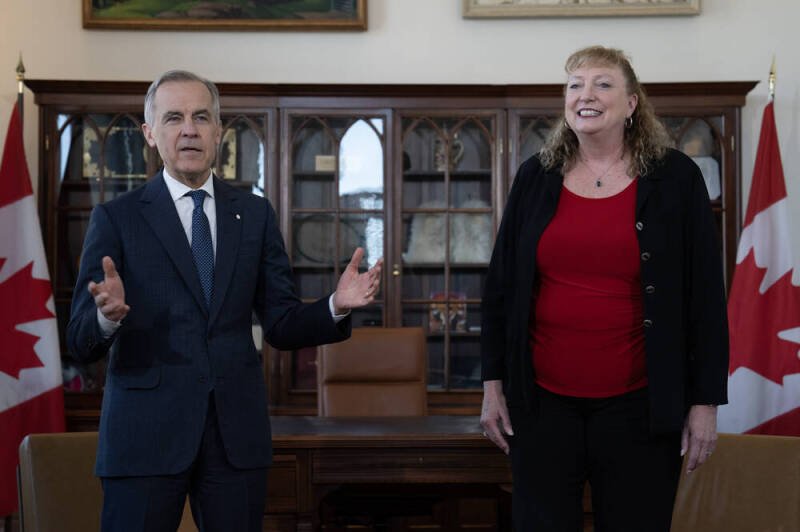



Explore Victoria's housing debate, "missing middle" housing solutions, and the implications of political floor crossing. Our analysis and future outlook included.
Victoria, British Columbia, like many cities, is grappling with a significant housing crisis. Recent letters to the editor of the Victoria Times Colonist highlight two key issues: the ongoing debate surrounding "missing middle" housing and the implications of political floor crossing at the local level.
The term "missing middle" refers to a range of housing options that fall between single-family detached homes and large apartment buildings. These include townhouses, duplexes, triplexes, and small-scale apartment buildings. Proponents argue that introducing more of these housing types can increase housing supply, improve affordability, and create more diverse and walkable neighborhoods.
However, implementing "missing middle" housing is often met with resistance. Some residents worry about increased density, traffic congestion, and changes to neighborhood character. Finding a balance between addressing the housing crisis and preserving the qualities that make Victoria a desirable place to live is a challenge.
The housing crisis in Victoria has far-reaching consequences. High housing costs make it difficult for young people, families, and essential workers to live in the city. This can lead to labor shortages, economic stagnation, and a decline in community vitality. Addressing the housing crisis is crucial for ensuring Victoria's long-term sustainability and prosperity.
Political floor crossing, while a less frequent event, can significantly alter the balance of power within local government. Understanding the motivations behind such moves and their potential impact on policy decisions is essential for informed civic engagement.
In our opinion, the "missing middle" approach holds considerable promise for alleviating Victoria's housing woes. However, successful implementation requires careful planning, robust community engagement, and a willingness to address legitimate concerns from residents. Simply increasing density without considering infrastructure, amenities, and neighborhood character could exacerbate existing problems.
We believe that transparency and open communication are paramount in navigating these complex issues. City council needs to actively engage with residents, listen to their concerns, and work collaboratively to find solutions that benefit the entire community.
The letters to the editor also touched upon political floor crossing. This refers to a situation where an elected official switches their political affiliation after being elected under a different party banner. The reasons for such moves can be varied, ranging from ideological disagreements to personal ambition.
Political floor crossing can disrupt the political landscape and create uncertainty. It can also erode public trust in elected officials, particularly if the motivations behind the switch are unclear or perceived as self-serving.
The debate surrounding "missing middle" housing is likely to continue in Victoria, with ongoing discussions about zoning regulations, density targets, and community engagement strategies. We anticipate that the city will explore various pilot projects and incentives to encourage the development of "missing middle" housing types.
The future of political floor crossing is less predictable. However, it is likely to remain a potential factor in Victoria's political landscape, particularly in a context of shifting political alliances and evolving policy priorities. This could impact future elections.
Looking forward, Victoria needs to adopt a multi-faceted approach to addressing the housing crisis. This includes not only increasing housing supply through "missing middle" and other strategies but also addressing affordability through policies such as rent control, affordable housing subsidies, and initiatives to increase incomes.
In conclusion, Victoria's housing challenges and evolving political landscape demand thoughtful consideration and proactive solutions. By fostering open dialogue, embracing innovative approaches, and prioritizing the needs of the community, Victoria can build a more sustainable and equitable future for all its residents.
























